








Vision AI TrendsPreview
What 200,000 open source projects reveal about how enterprises use vision AI
EnterprisesarerapidlyadoptingvisionAI
Tounderstandhow,weanalyzed200,000+opensourceprojects1
Here'swhatthedatashows
Key Findings
This report benchmarks how businesses are operationalizing visual intelligence, highlighting the specific high-value use cases dominating deployment across 10 global industries.
Deployment is concentrated in sectors where visual AI drives immediate ROI through creating granular understanding of the physical world:
- 0%ManufacturingDefect detection and quality inspection, creating a closed-loop system for defect reduction, represent 68% of Manufacturing use cases.
- 0%HealthcareMedical Imaging (36%) and Human Diagnostics (30%) dominate, signaling a move toward AI-assisted clinical decision making.
- 0%Energy & InfrastructureGrid & Tower Inspection (32%) is the leading use case in utilities, highlighting the technology's role in maintaining critical infrastructure.
Enterprise value lies in unique data that foundation models haven't seen.
By using industry datasets and models, you can develop purpose-built solutions that run on the edge, create agents with the precise skills that general models lack, and move AI systems from observation to high-stakes decision-making.
The following charts highlight where businesses are deploying visual intelligence across 10 global industries.
Top Industry Distribution Use Cases
Healthcare and Medicine
Dental and human medical diagnostics lead deployment, 66% combined, signaling a move from general observation to high-stakes clinical decision-making.
As visual AI moves from research to the front lines, the focus for leaders must shift toward ensuring data privacy while scaling these assistive tools to reduce clinical burnout.
Top Healthcare and Medicine Use Cases
| Use Case | Percentage |
|---|---|
| Dental Imaging & Oral Health (DOH) | 36% |
| Human Medical & Diagnostics (HMD) | 30% |
| Microscopy & Cell Biology (MCB) | 23% |
| Pharmaceutical QA & Logistics (PQL) | 11% |
Example projects
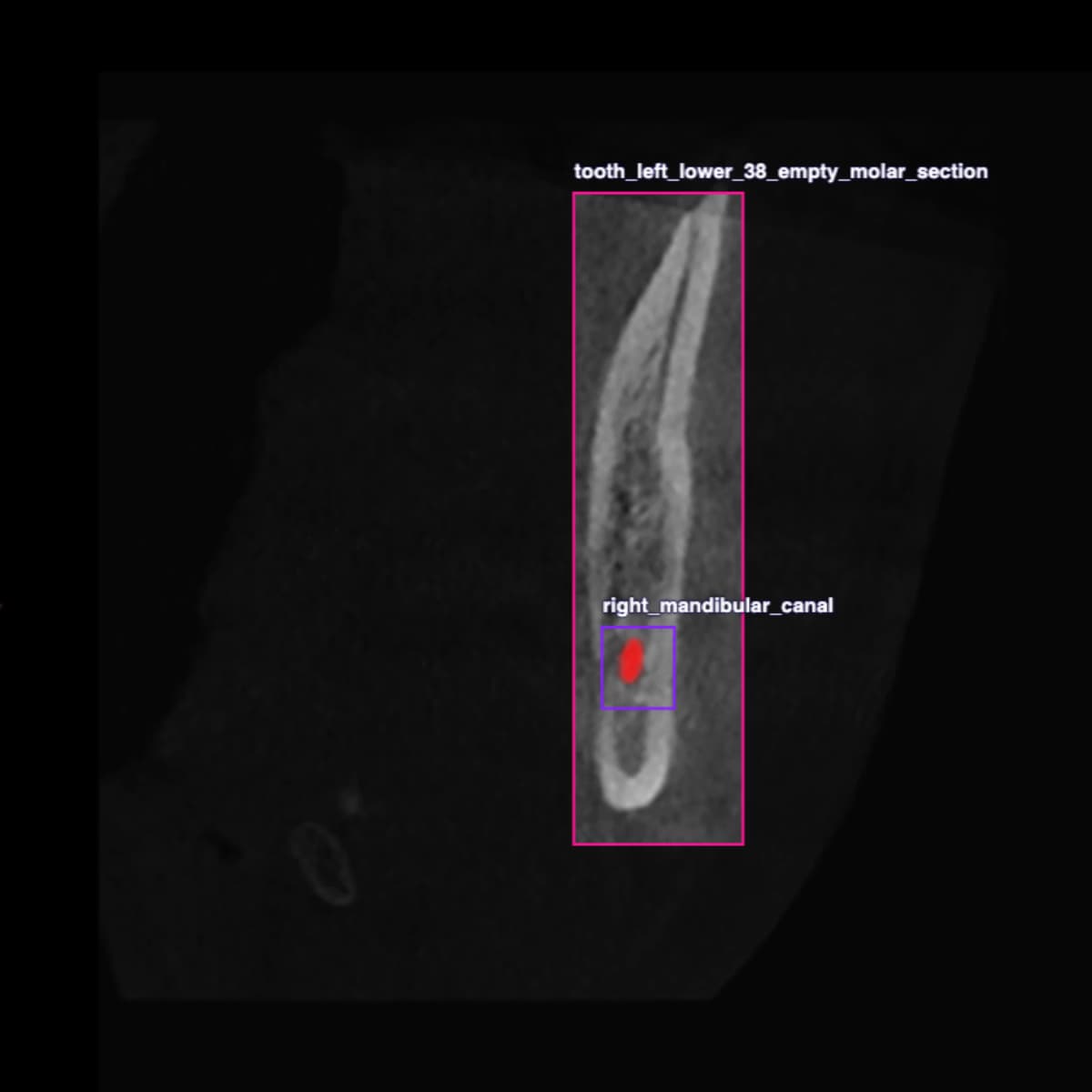
Dental imaging
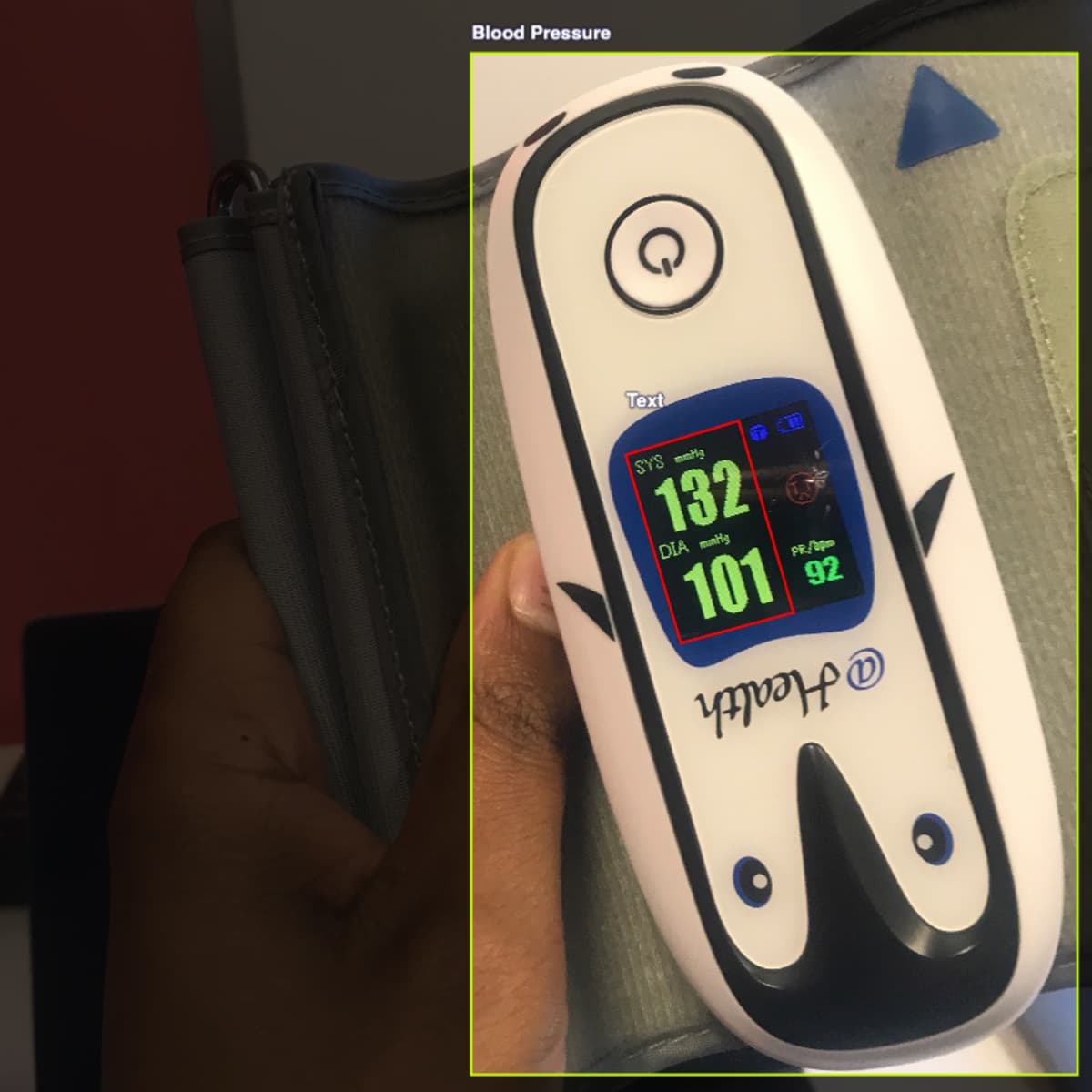
Device reading

Microscopy
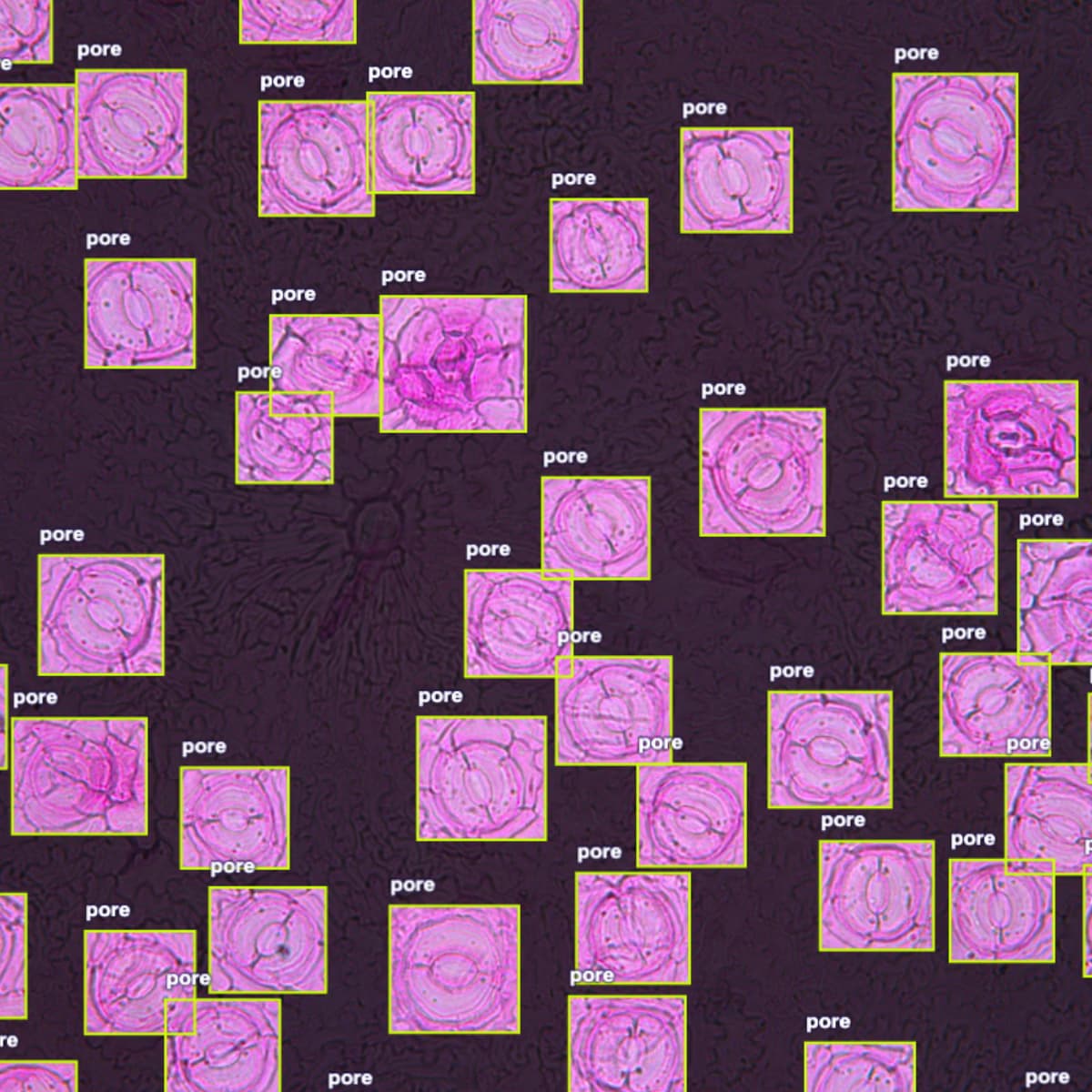
Cell counting
Industrial Manufacturing
Deployment is heavily weighted toward closed-loop systems, with defect detection and quality inspection representing 68% of use cases.
Manufacturers are treating visual AI as critical infrastructure rather than a novelty, using it to mitigate the high costs of unplanned downtime and physical operational risks.
Top Industrial Manufacturing Use Cases
| Use Case | Percentage |
|---|---|
| Quality Control | 46% |
| Infrastructure Inspection | 22% |
| Industrial Safety & PPE | 14% |
| Logistics & Inventory | 8% |
| Robotics & Automation | 6% |
| Document & Schematics Analysis | 4% |
Example projects
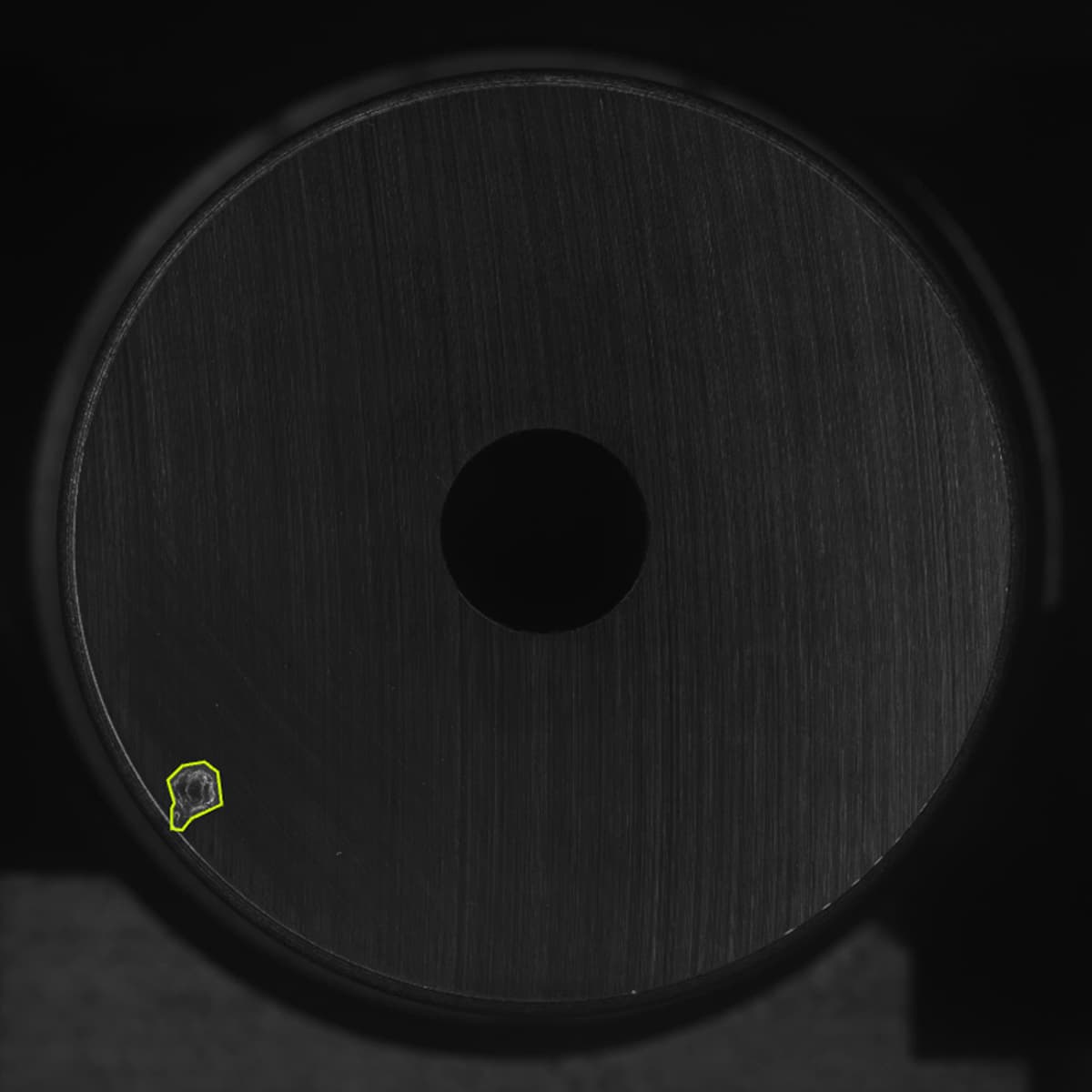
Defect detection
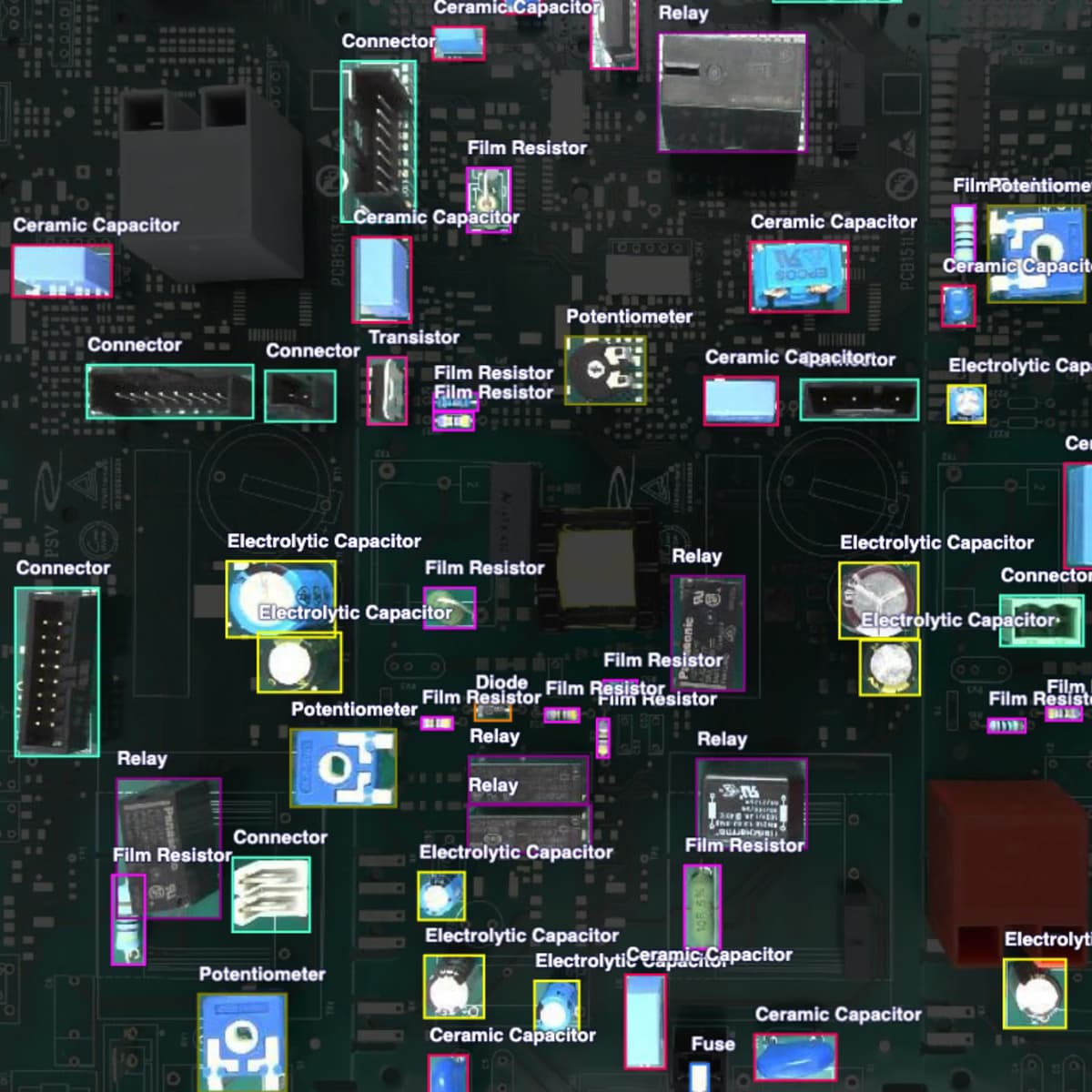
Component presence
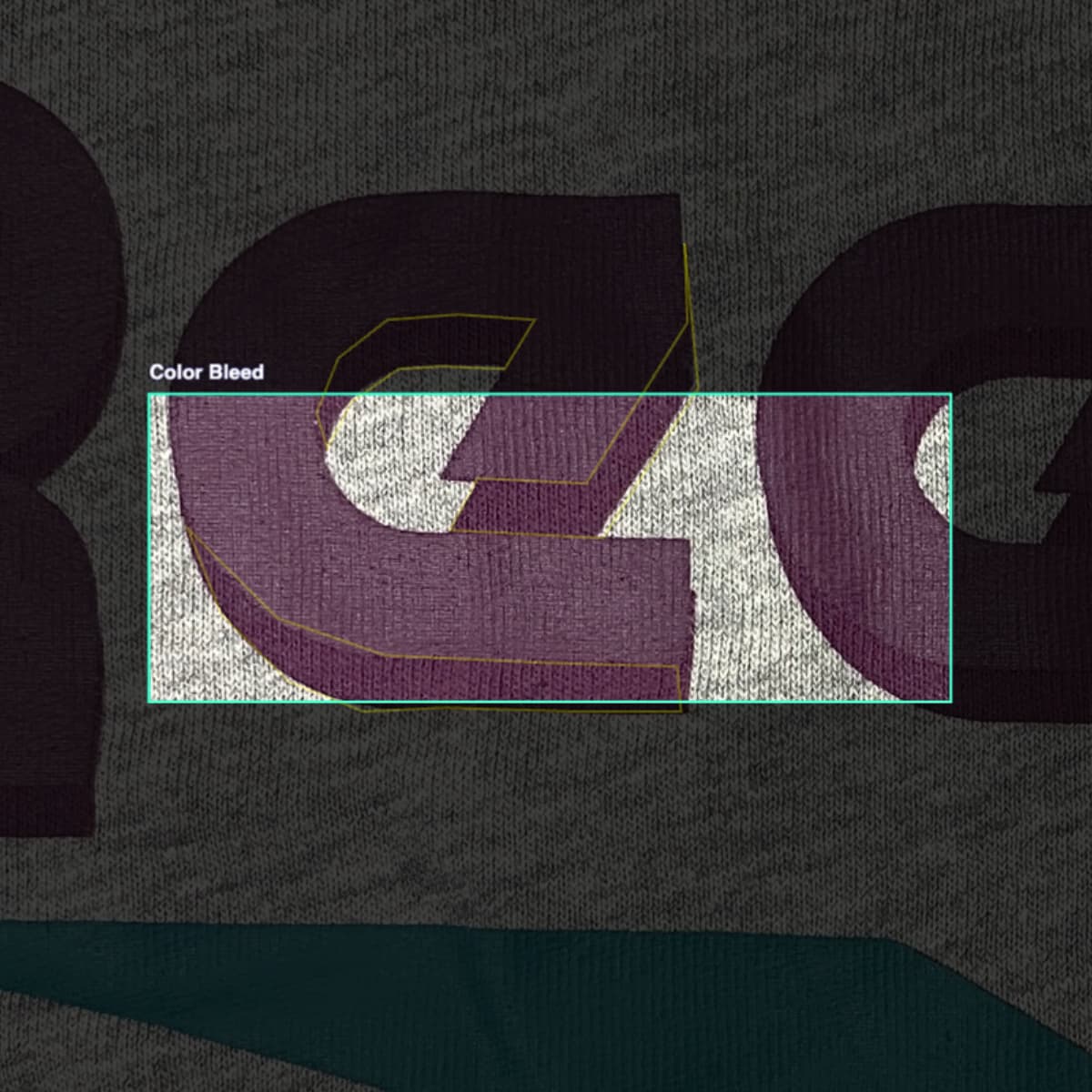
Product quality
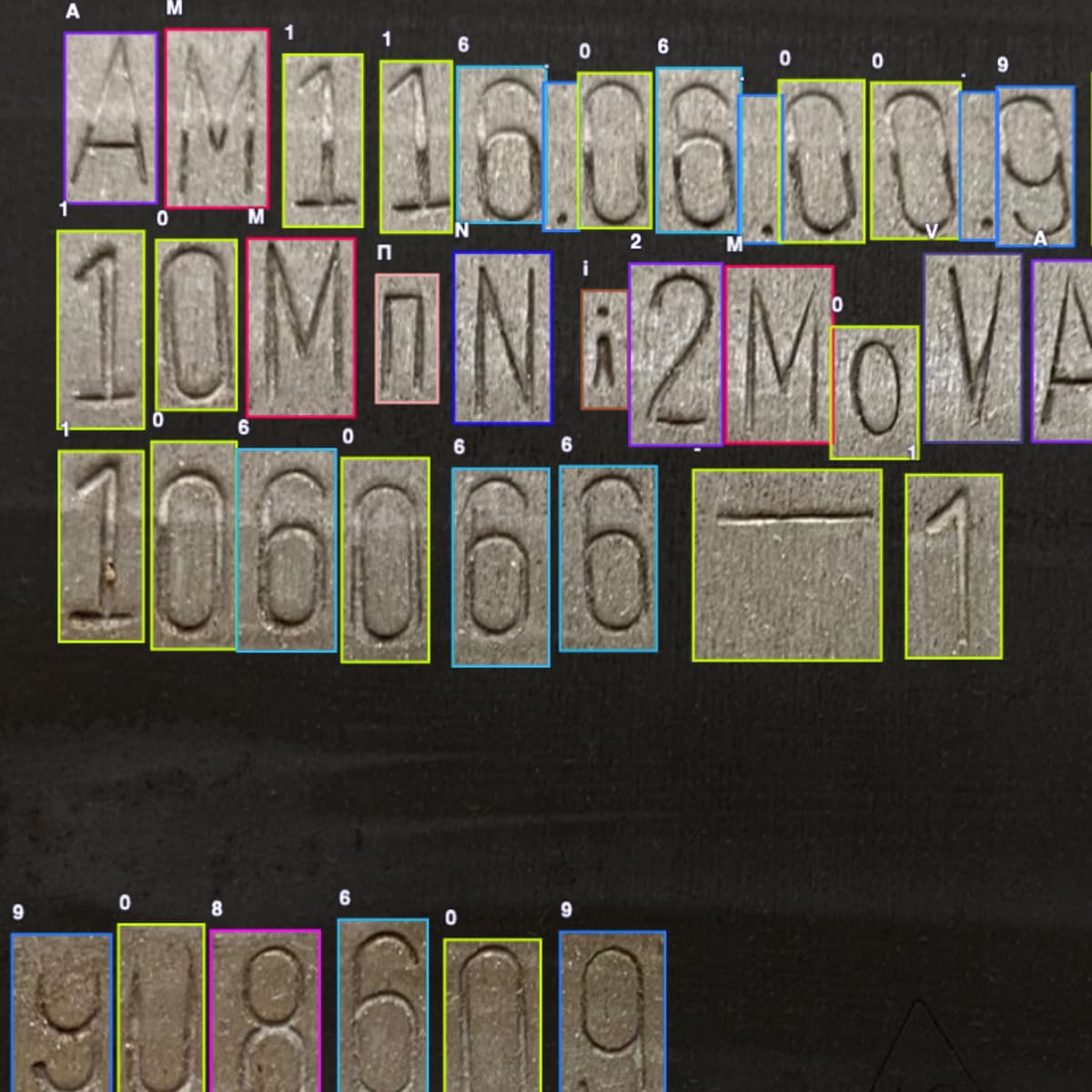
Parts OCR
Agriculture
Fresh produce grading dominates adoption at 41%, as the industry seeks to replace subjective human assessment with objective intelligence.
The high concentration in grading and livestock monitoring suggests that visual AI is being used as a primary tool to combat labor shortages and meet increasing global food demands.
Top Agriculture Use Cases
| Use Case | Percentage |
|---|---|
| Fresh Produce Grading | 41% |
| Livestock & Poultry | 25% |
| Field Crops & Grains | 20% |
| Fisheries & Aquaculture | 8% |
| Crop Protection | 6% |
Example projects
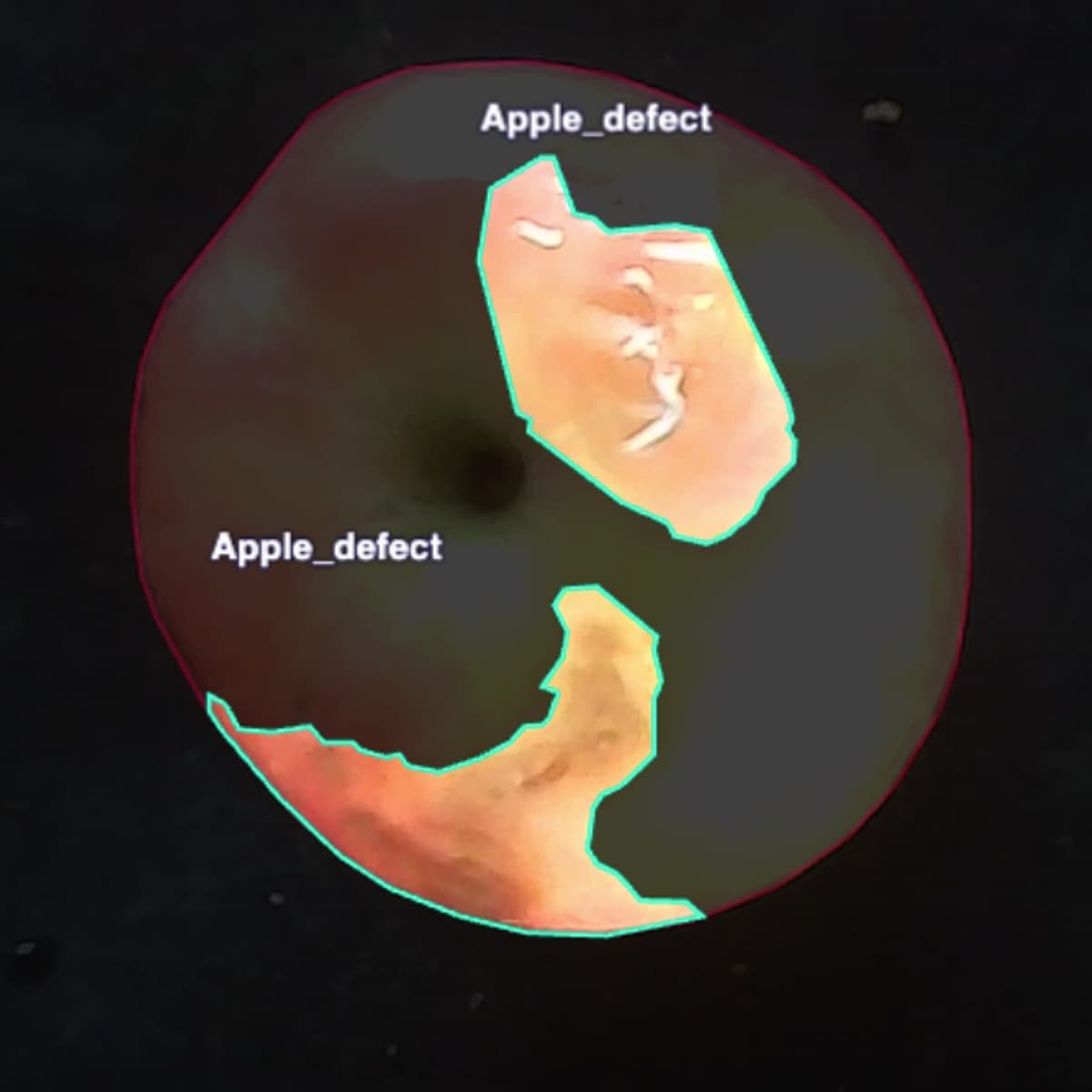
Produce grading
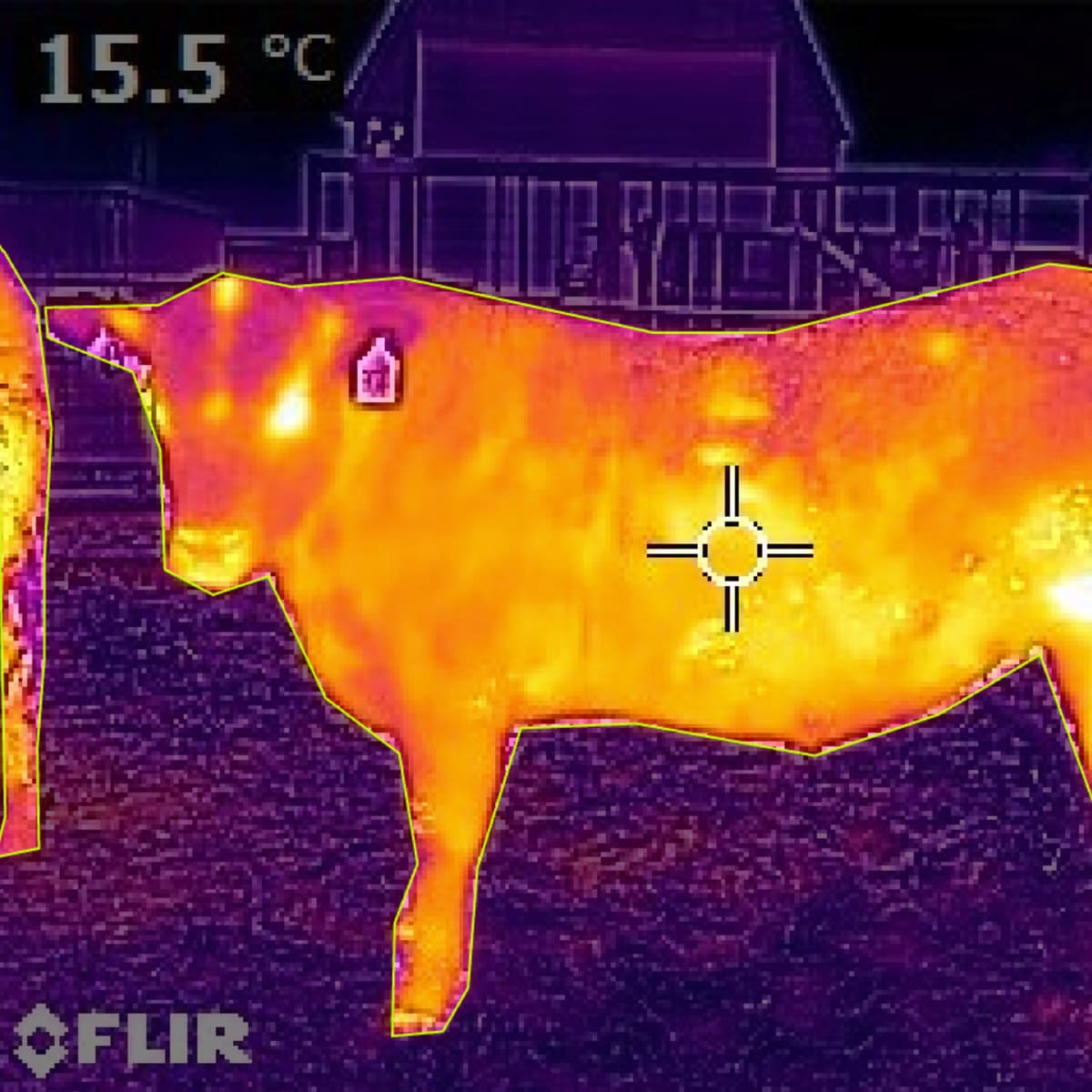
Livestock
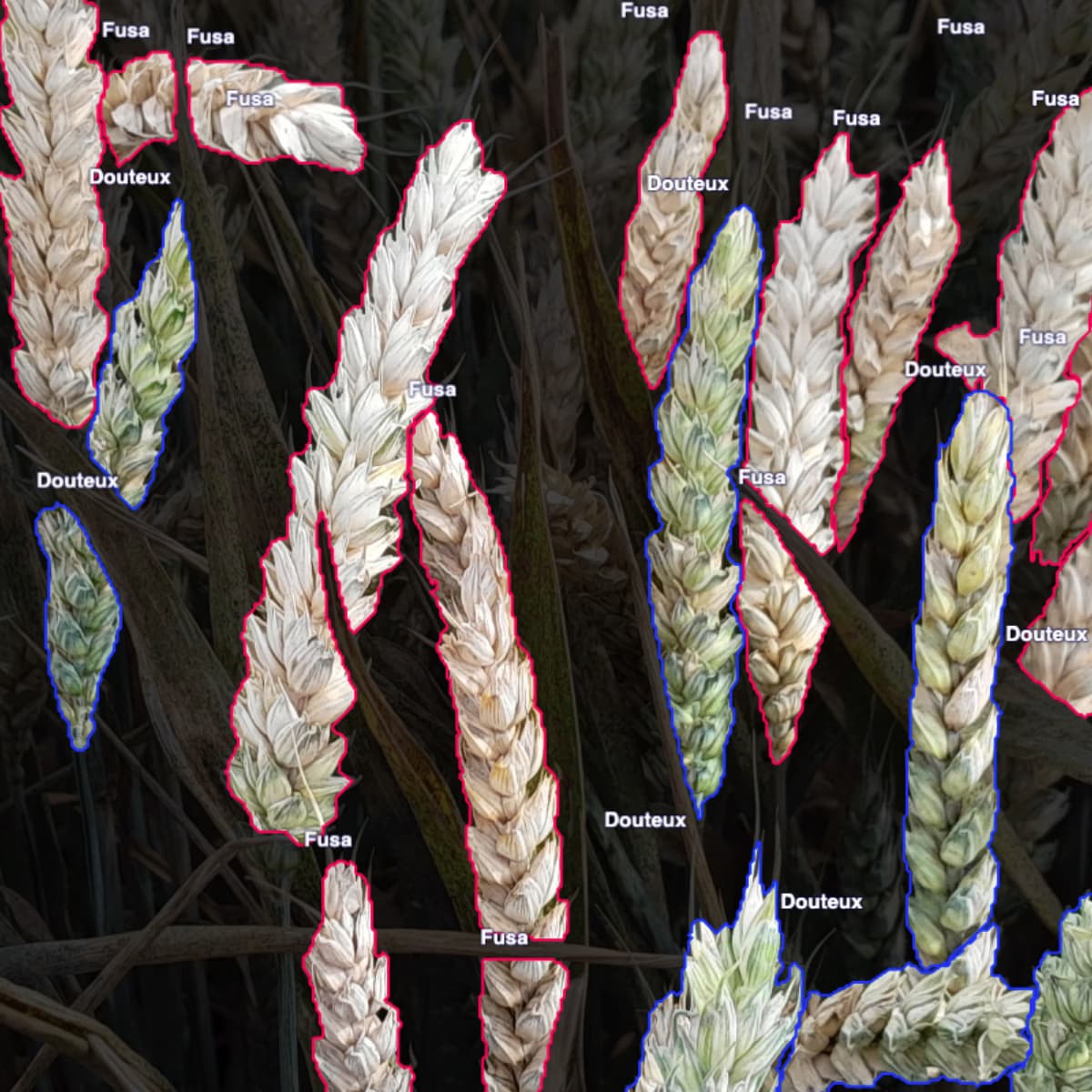
Field crops

Pest Detection
Transportation
Core Advanced Driver-Assistance Systems (ADAS) and sign recognition represent a combined 33%, yet the rise of Road Surface Inspection (12%) indicates a new frontier in proactive infrastructure maintenance.
Moving beyond just seeing vehicles, transportation agencies are increasingly using computer vision to future-proof physical assets and improve overall commuter safety in real-time.
Top Transportation Use Cases
| Use Case | Percentage |
|---|---|
| Vehicle & People Detection (Core ADAS) | 18% |
| Traffic Sign/Signal Recognition (TSR) | 15% |
| Driver/Rider Safety & Monitoring (DSM) | 15% |
| License Plate Recognition (LPR/ANPR) | 13% |
| Road Surface Inspection (RSI) | 12% |
| Vehicle Classification & Logistics | 10% |
| Vehicle Damage & Inspection | 8% |
| Accident & Anomaly Detection (A&A) | 6% |
| Air, Rail, & Maritime Transport (ARM) | 3% |
Example projects
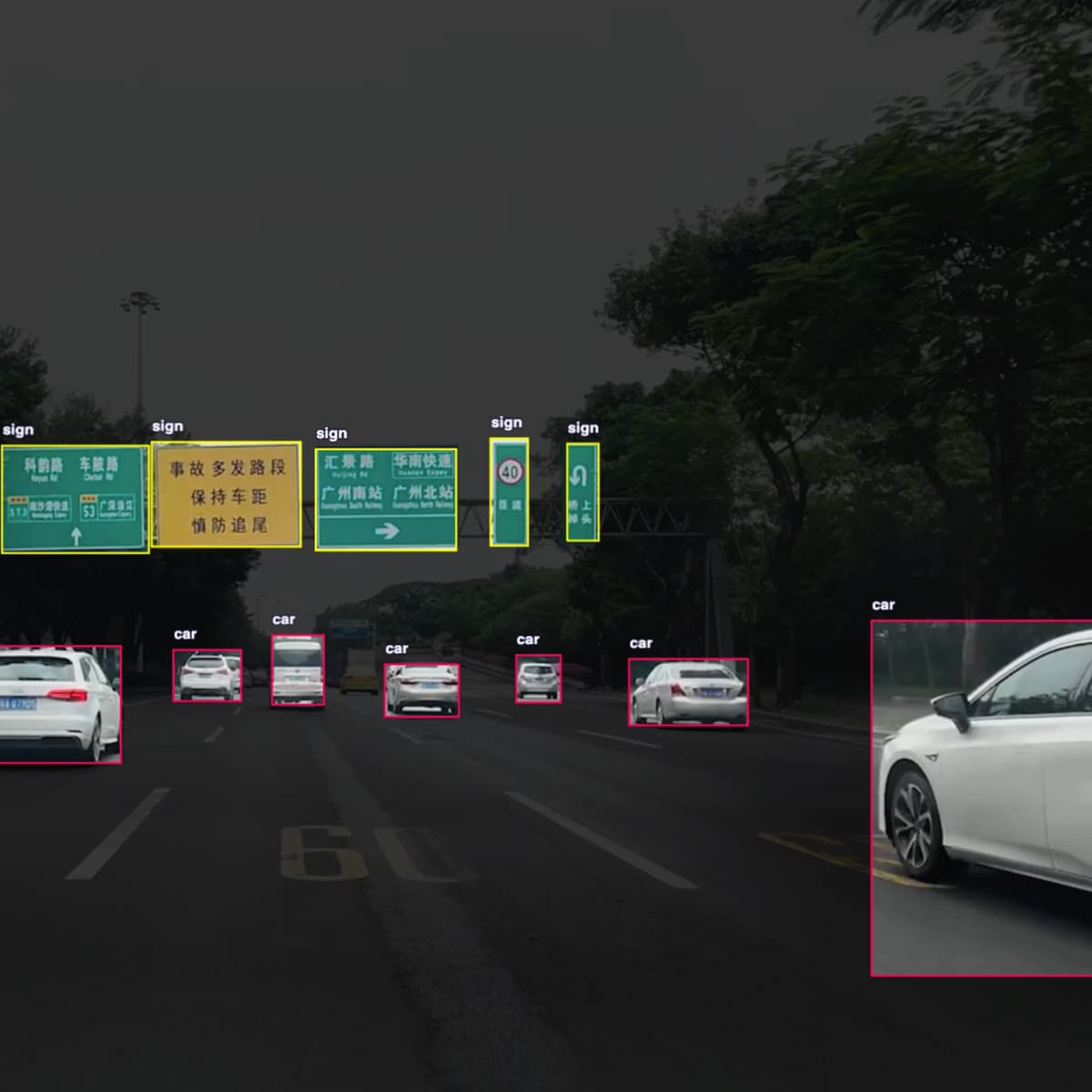
Driver assistance
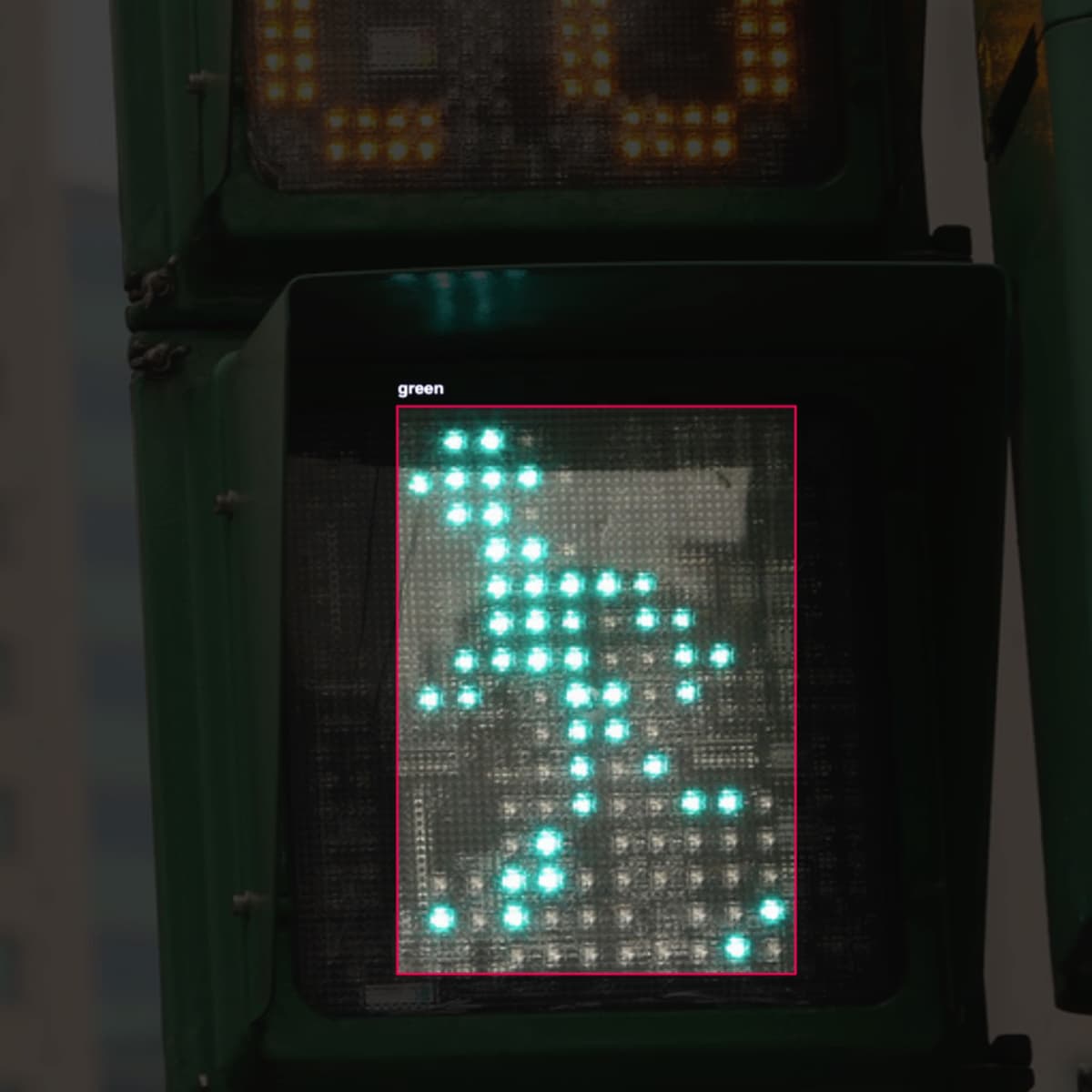
Traffic signal

Driver safety
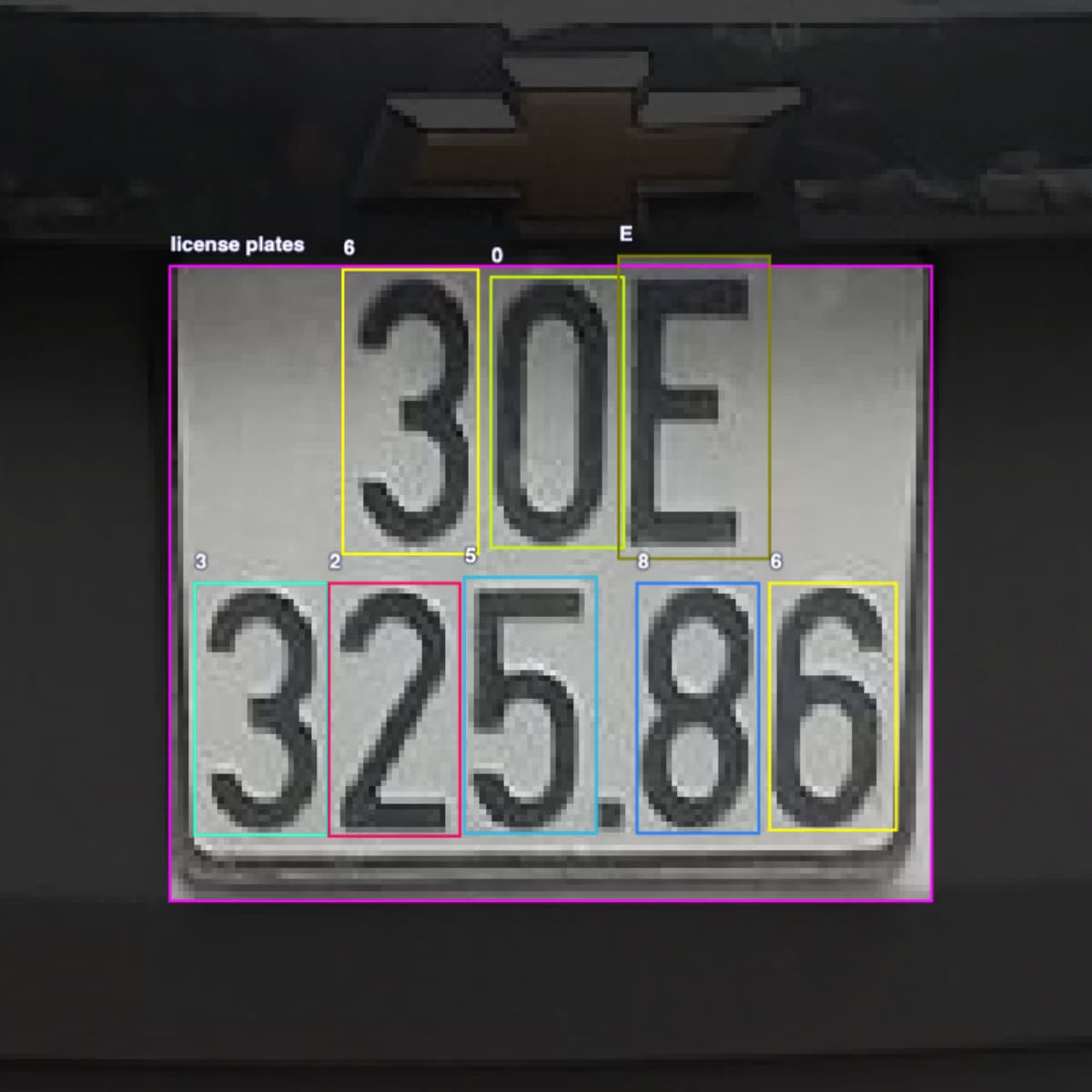
License plate OCR
Warehousing & Logistics
Inventory and item tracking (30%) is the leading high-frequency workflow, followed closely by safety-critical PPE monitoring at 25%.
By automating high-frequency tasks, enterprises are unlocking capacity in existing facilities without the need for new real estate.
Top Warehousing & Logistics Use Cases
| Use Case | Percentage |
|---|---|
| Inventory & Item Tracking | 30% |
| Worker & Site Safety (PPE) | 25% |
| Equipment & Vehicle Tracking | 15% |
| Quality & Label/Barcode Check | 12% |
| Infrastructure & Layout | 8% |
| Process Automation & Robotics | 5% |
| Hazard & Anomaly Detection | 5% |
Example projects
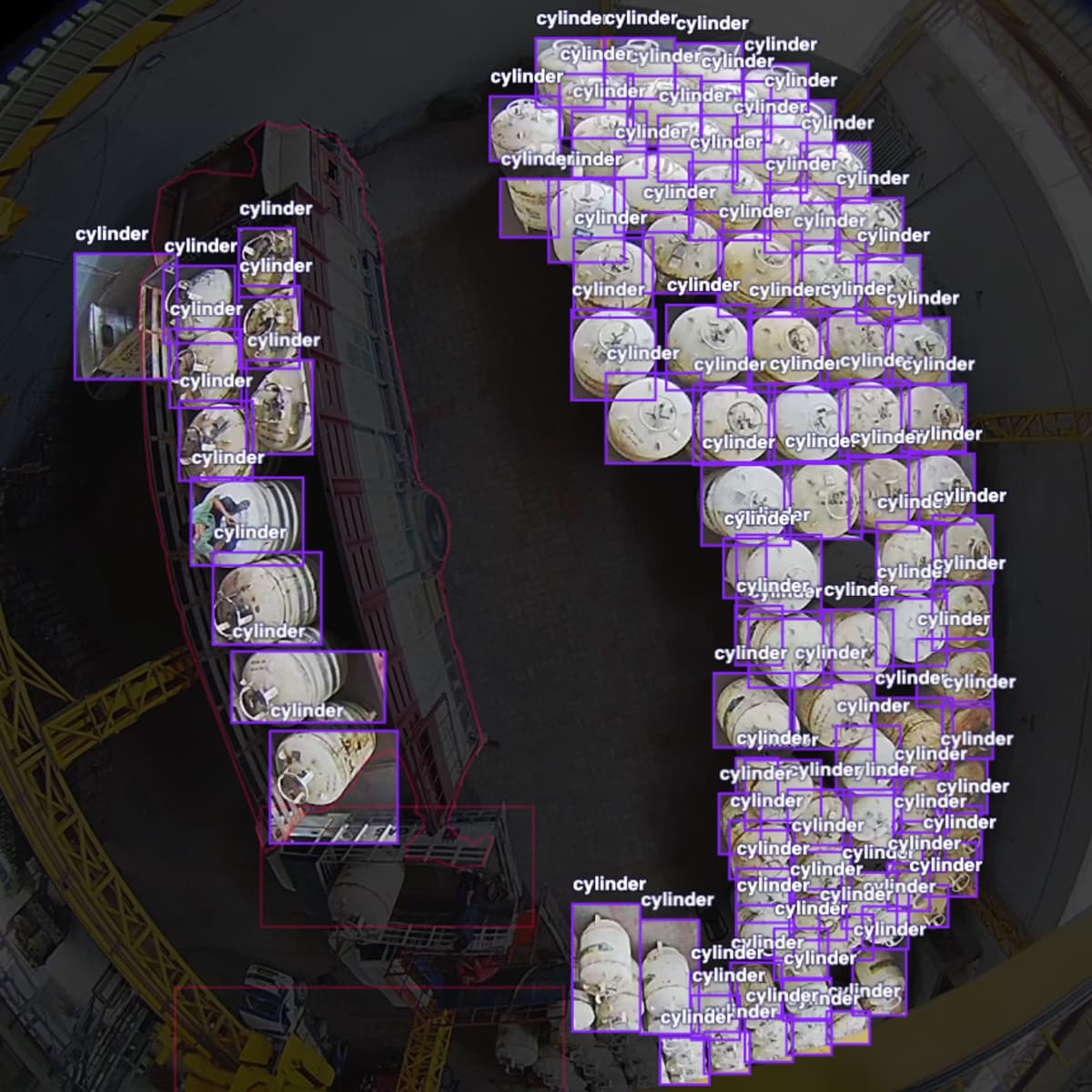
Inventory Tracking
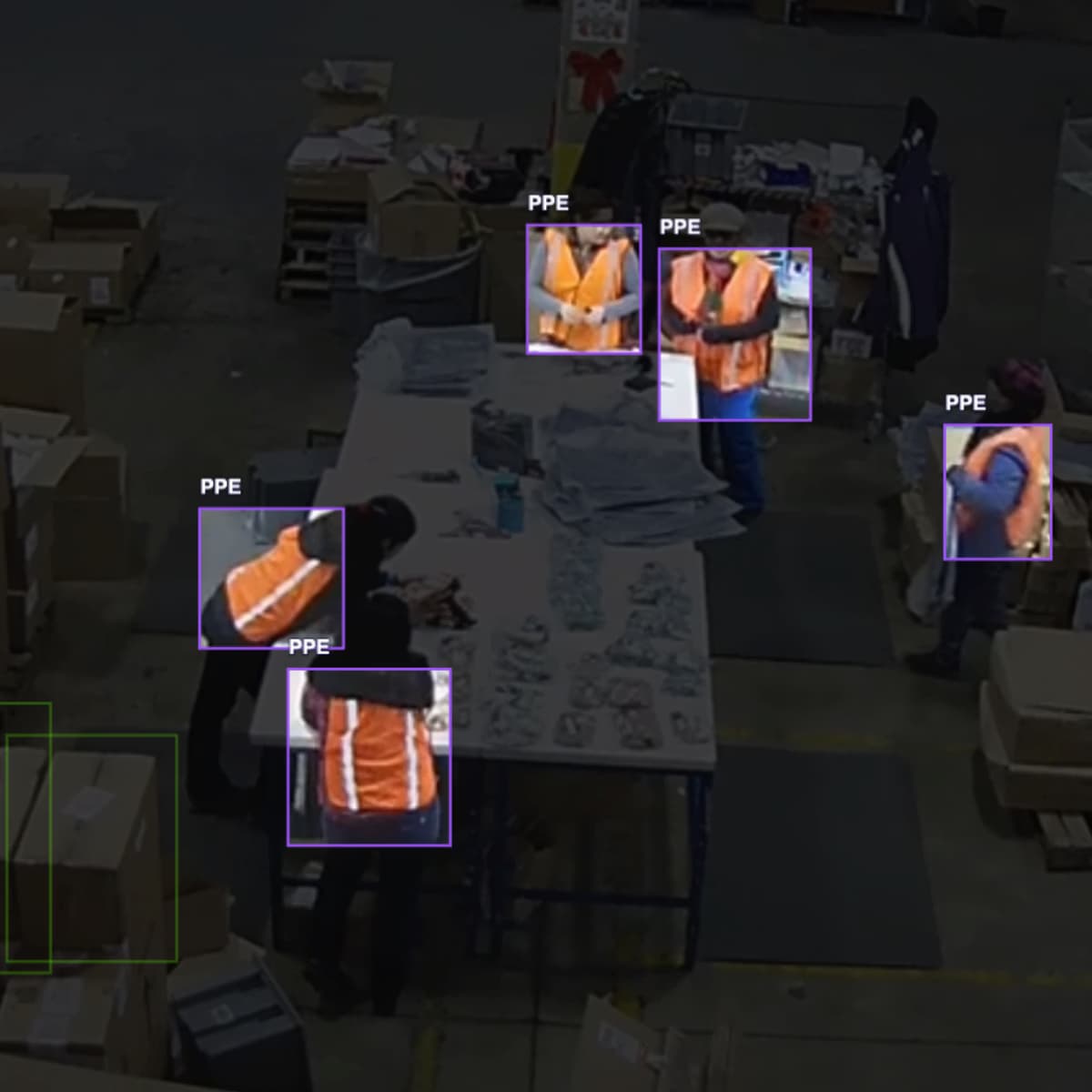
Worker & Site Safety
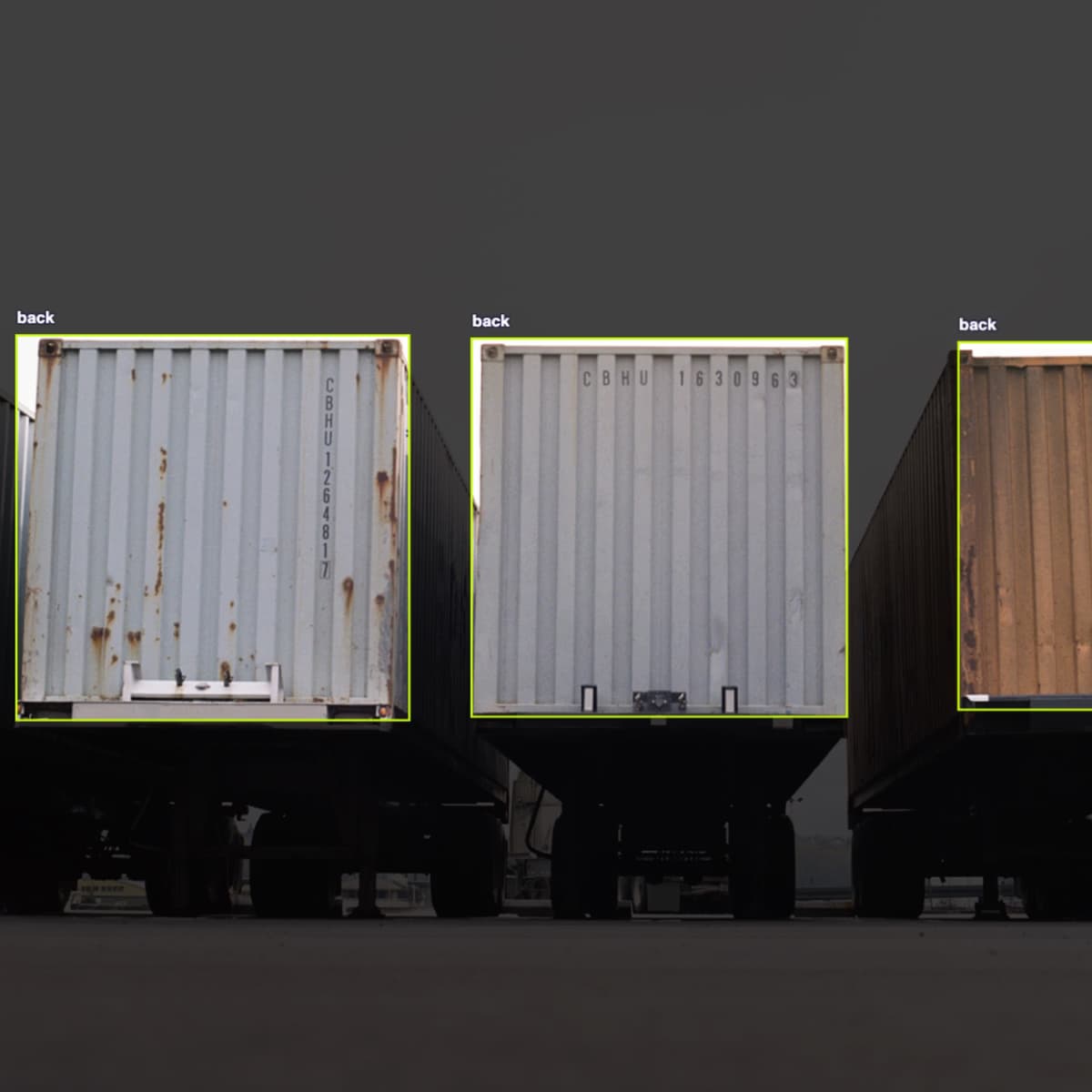
Equipment & Vehicle
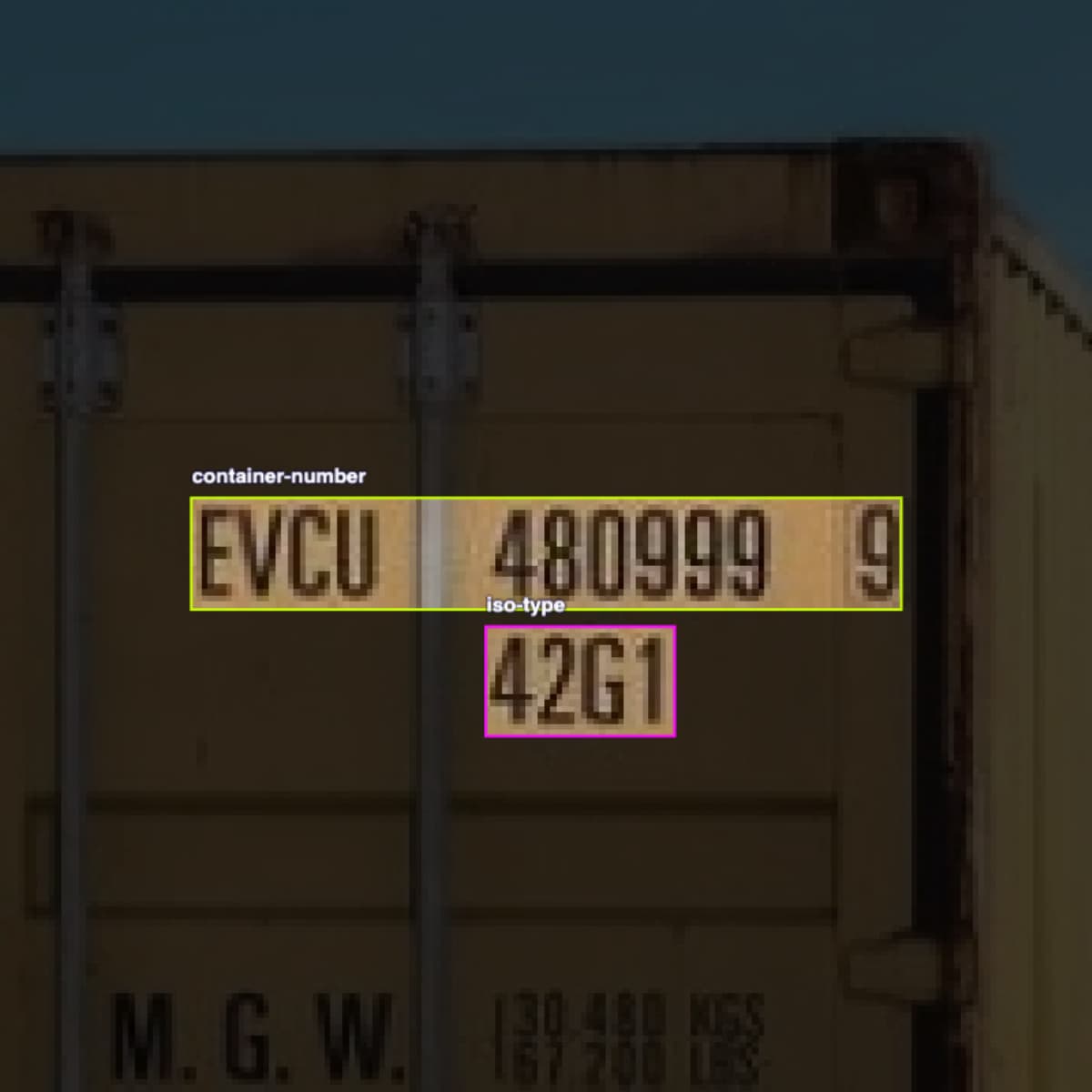
Tracking & OCR
Consumer Goods
Packaging and manufacturing quality control dominate at 63% combined, reflecting an industry-wide push to eliminate manual sorting and reduce material waste.
The strategic advantage here lies in deployment velocity of small, edge-optimized models to catch flaws in real-time before products ever leave the facility.
Top Consumer Goods Use Cases
| Use Case | Percentage |
|---|---|
| Manufacturing & Packaging QC | 35% |
| Processing Quality Control | 28% |
| Waste & Recycling Sorting | 18% |
| Human/Workplace Safety & Behavior | 14% |
| Document & Label OCR | 5% |
Example projects
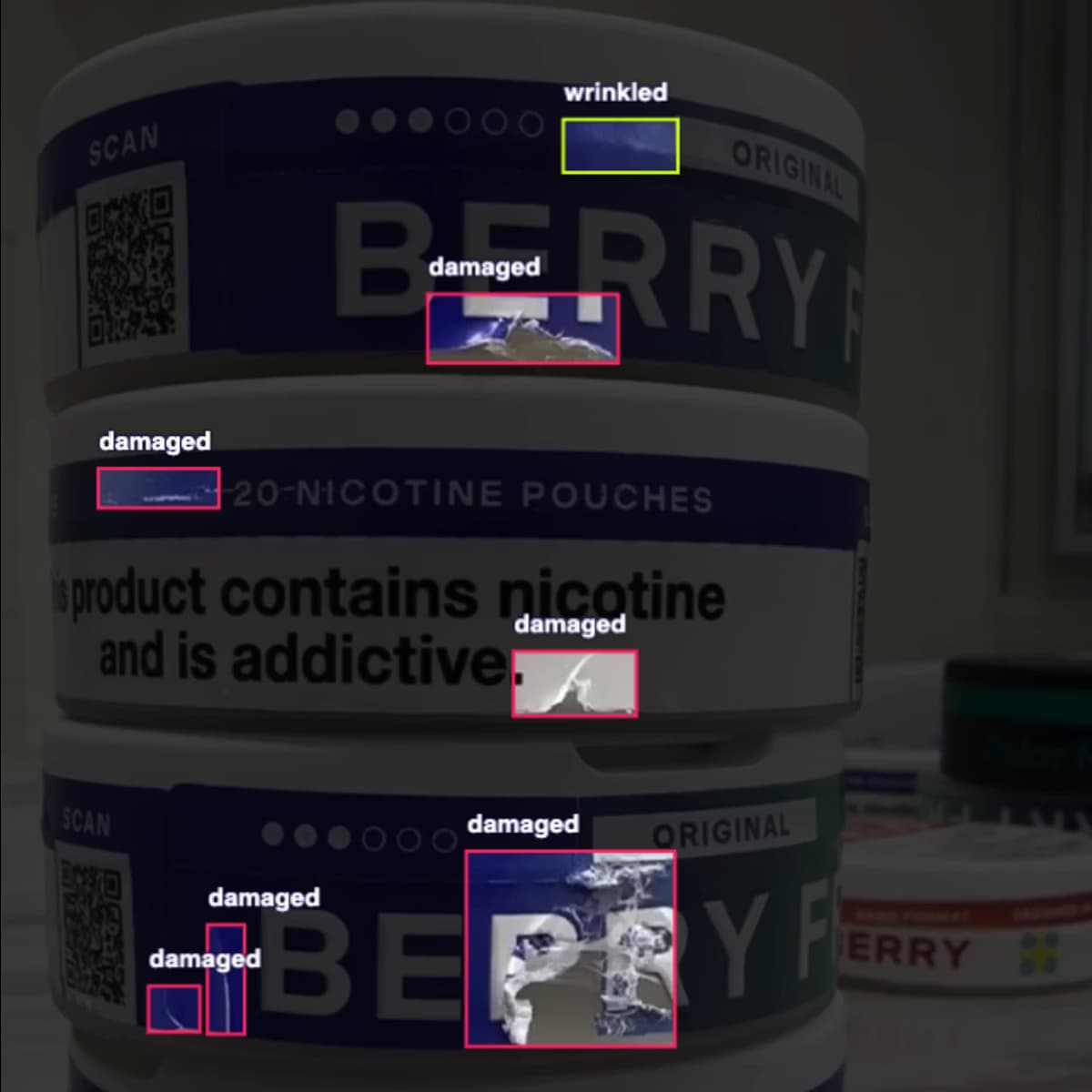
Packaging quality
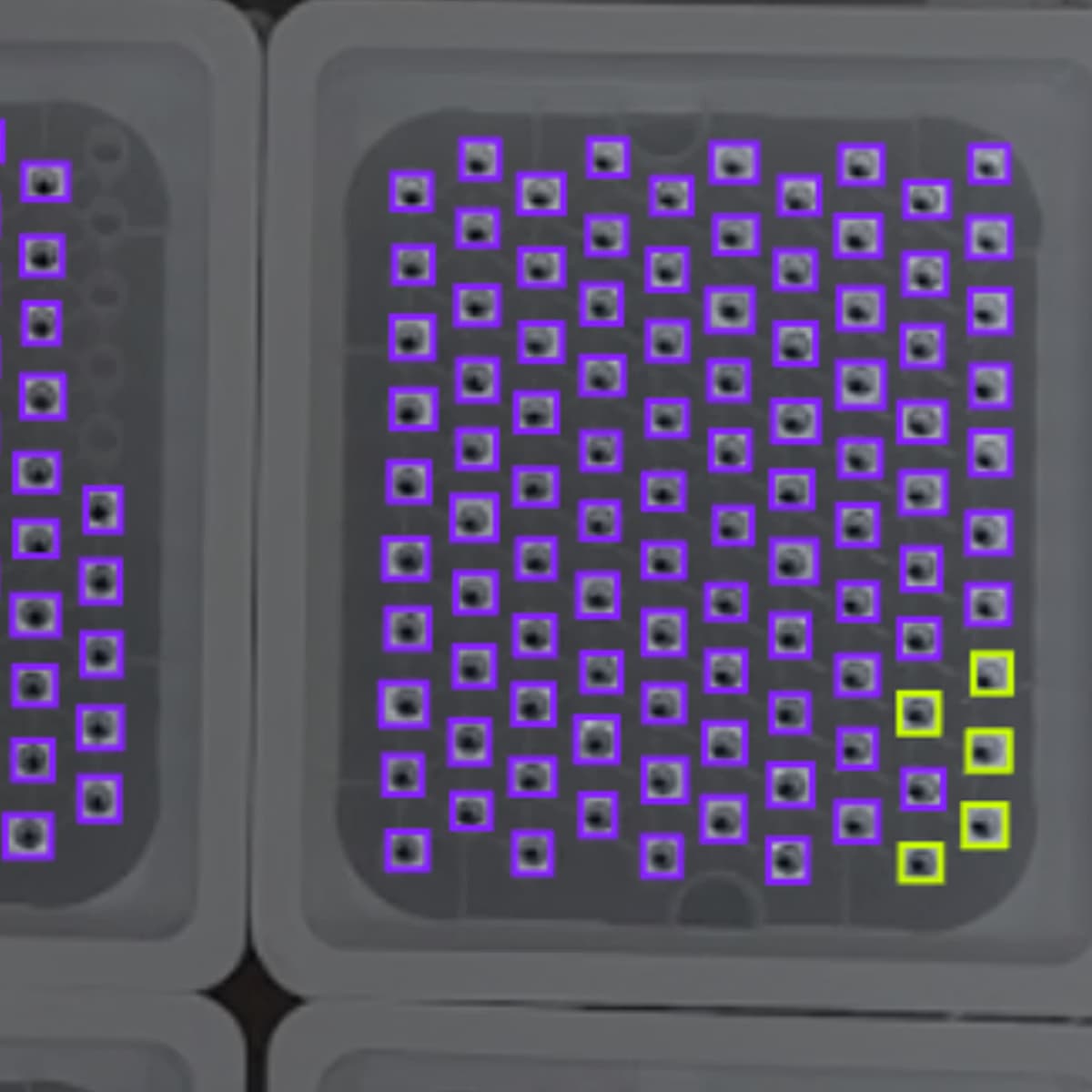
Process validation
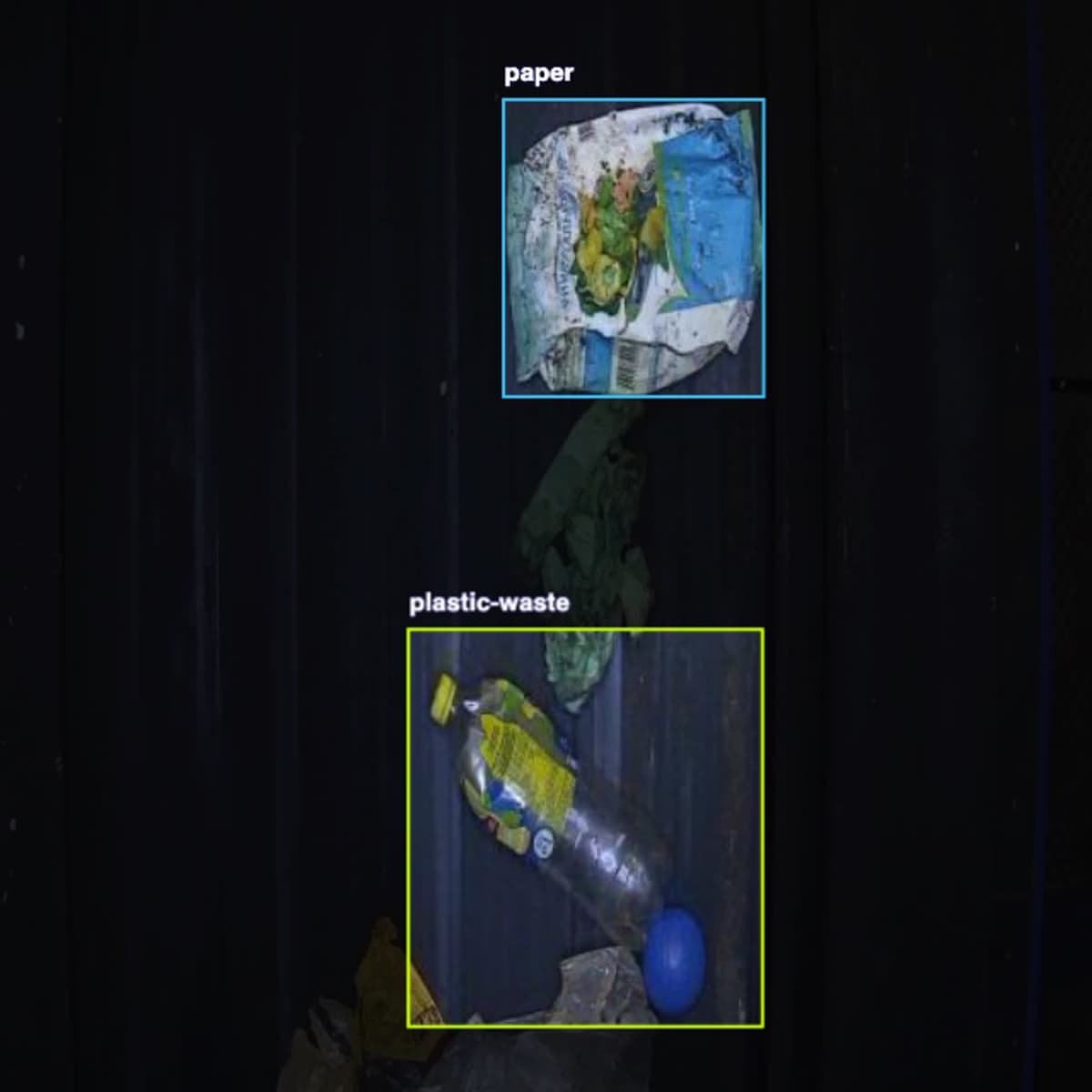
Waste sorting
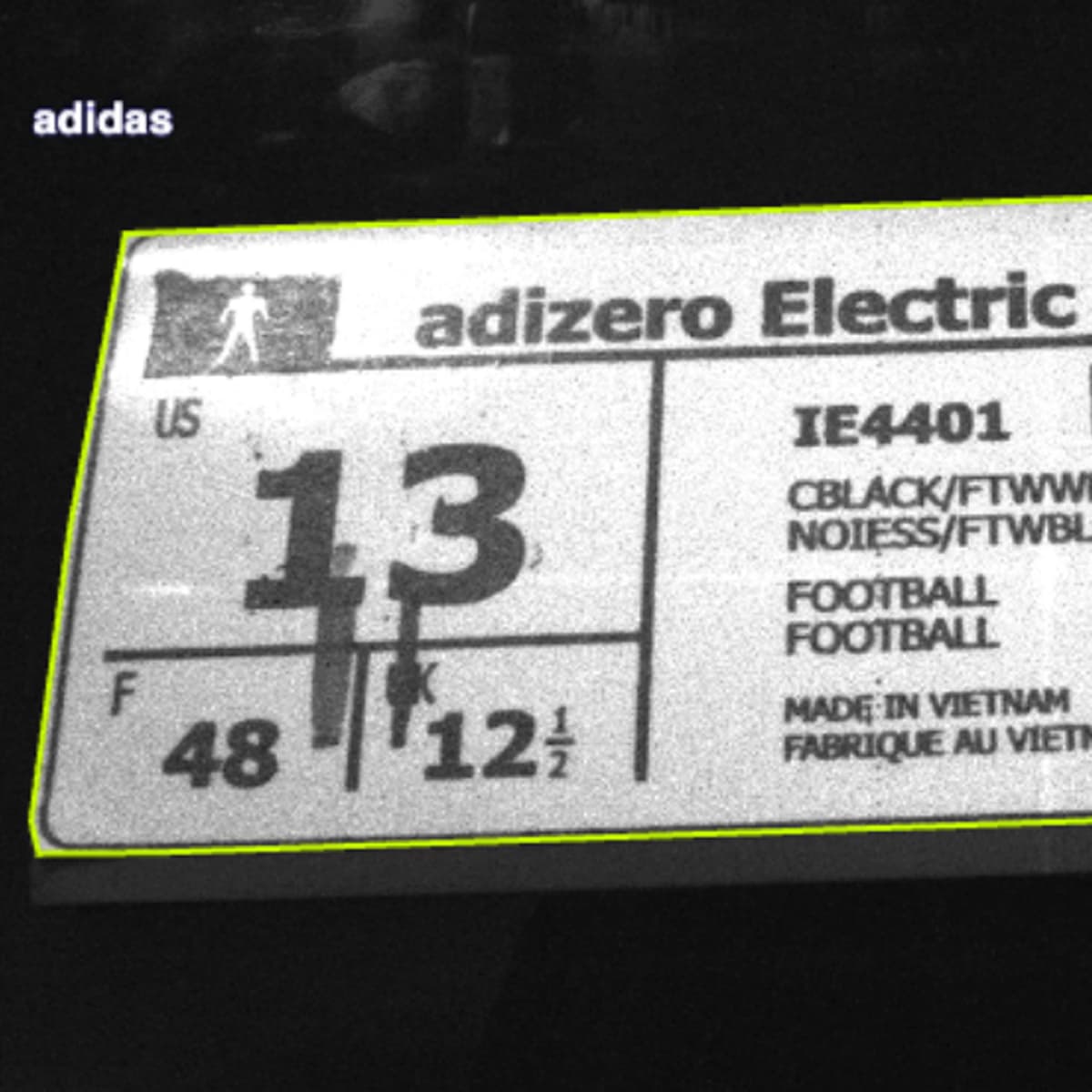
Inventory analysis
Energy & Utilities
Grid and tower inspection is the clear leader at 32%, highlighting visual AI's essential role in maintaining critical, often hard-to-reach infrastructure.
For utility providers, the transition to real-time visual intelligence allows for predictive maintenance that stops failures before they become expensive, public outages.
Top Energy & Utilities Use Cases
| Use Case | Percentage |
|---|---|
| Grid & Tower Inspection | 32% |
| Renewable Energy Assets | 18% |
| Water & Infrastructure | 14% |
| Meter & Gauge OCR | 11% |
| Workforce PPE Safety | 9% |
| Substation & Plant Ops | 7% |
| Fire & Hazard Detection | 5% |
| Logistics & Machinery | 4% |
Example projects
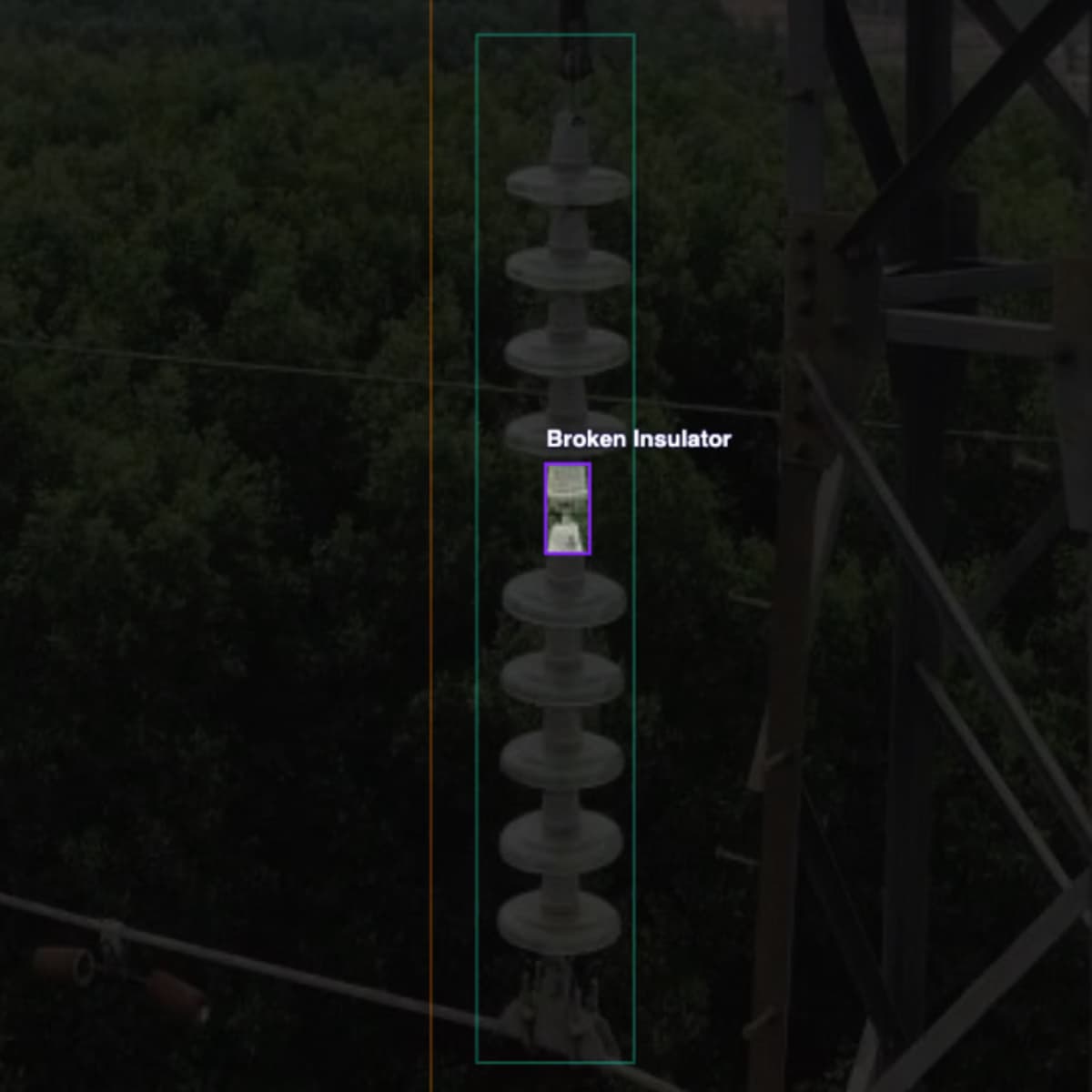
Grid Inspection
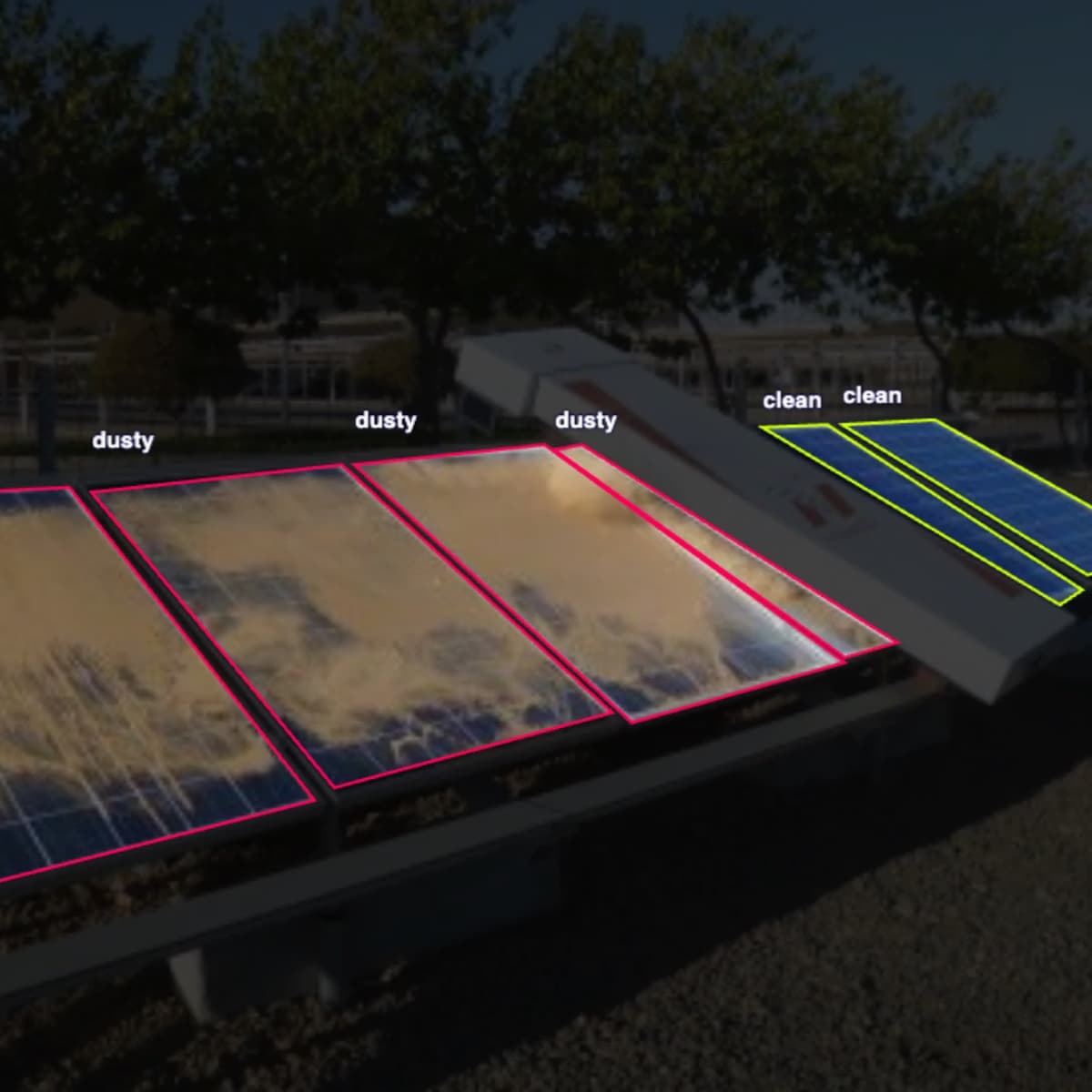
Renewable Assets
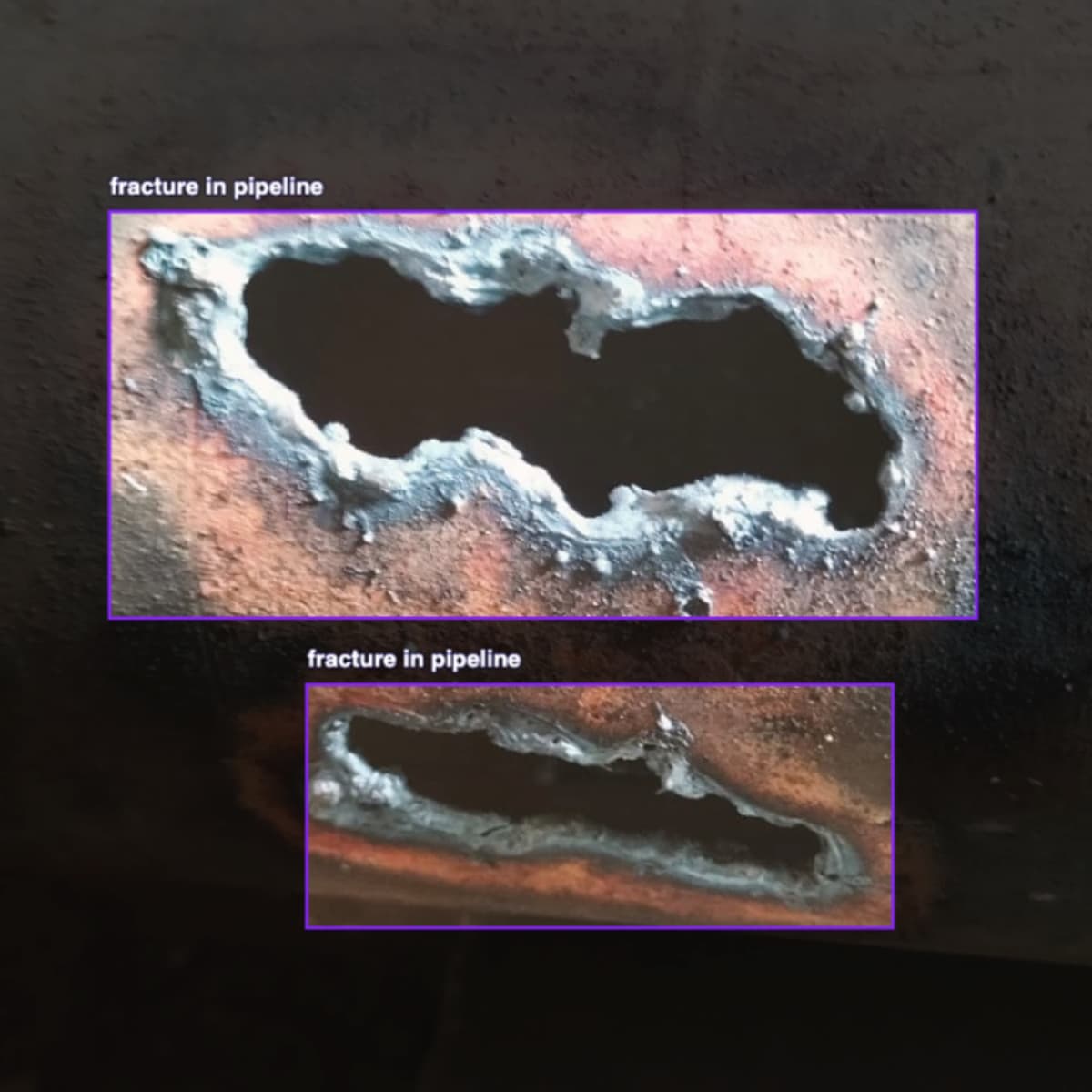
Pipeline Damage
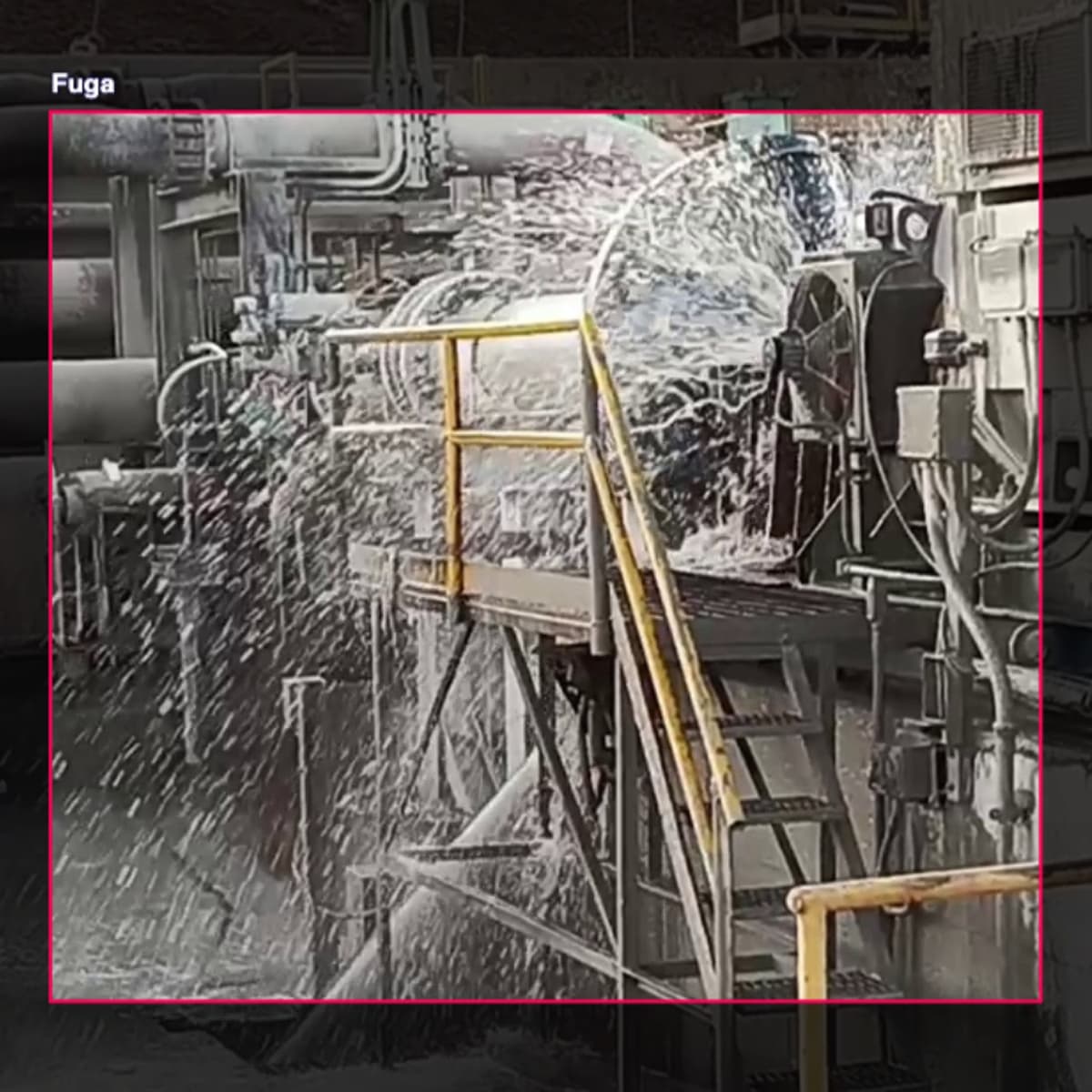
Leak Alerts
Retail & Service
SKU recognition and planogram compliance (45% combined) drive immediate ROI by ensuring on-shelf product availability and reducing lost sales.
Retailers are increasingly using visual AI to map the customer journey and dwell times, transforming the physical store into a programmable data source similar to their e-commerce experience.
Top Retail & Service Use Cases
| Use Case | Percentage |
|---|---|
| Product/SKU Recognition | 25% |
| On-Shelf Availability (OSA) | 20% |
| Fresh Produce Quality | 18% |
| Pricing/Promotions/OCR | 12% |
| Core FMCG Products | 9% |
| Customer/Behavior | 8% |
| Store Layout/Mapping | 6% |
| Waste/Sustainability | 2% |
Example projects
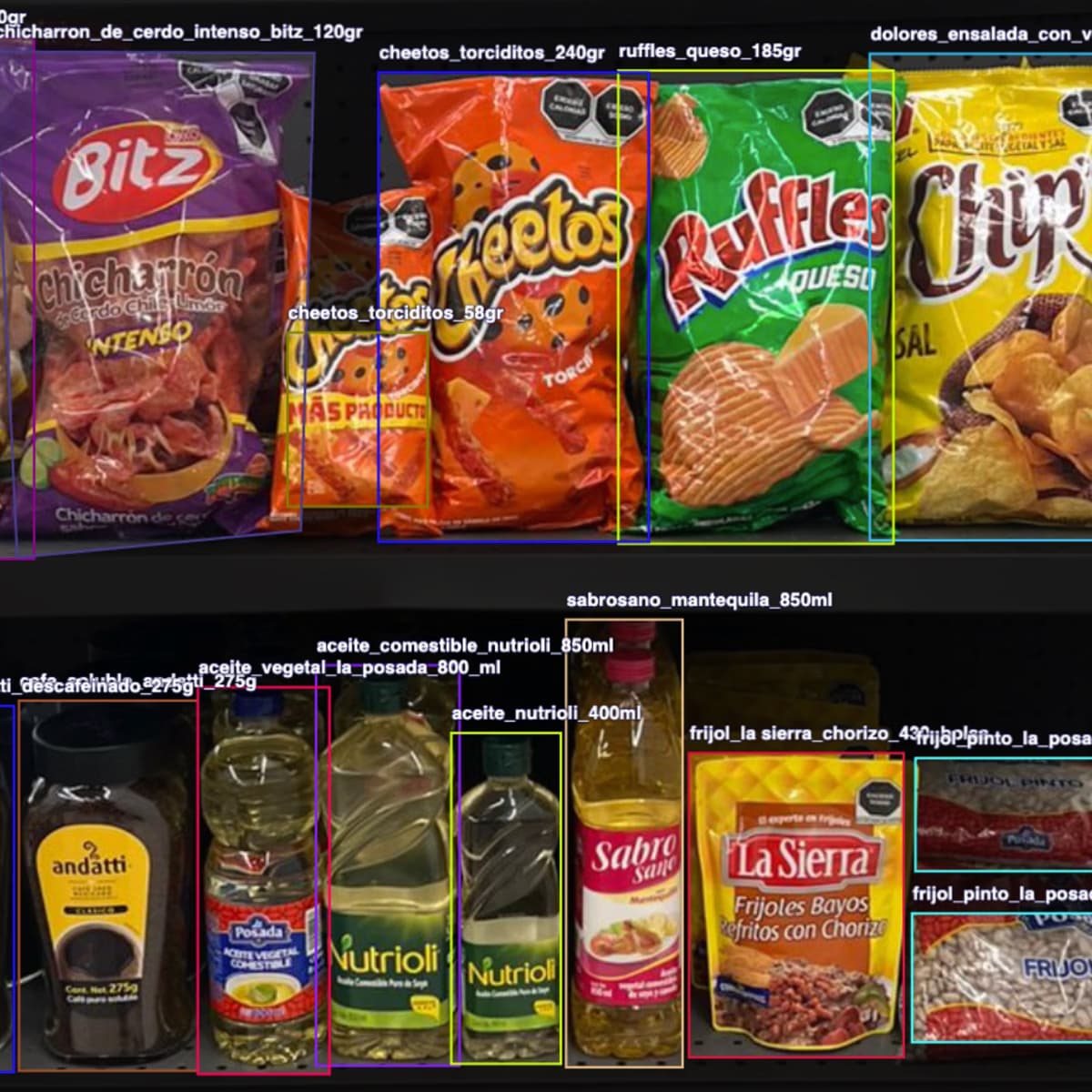
SKU recognition

Display analysis
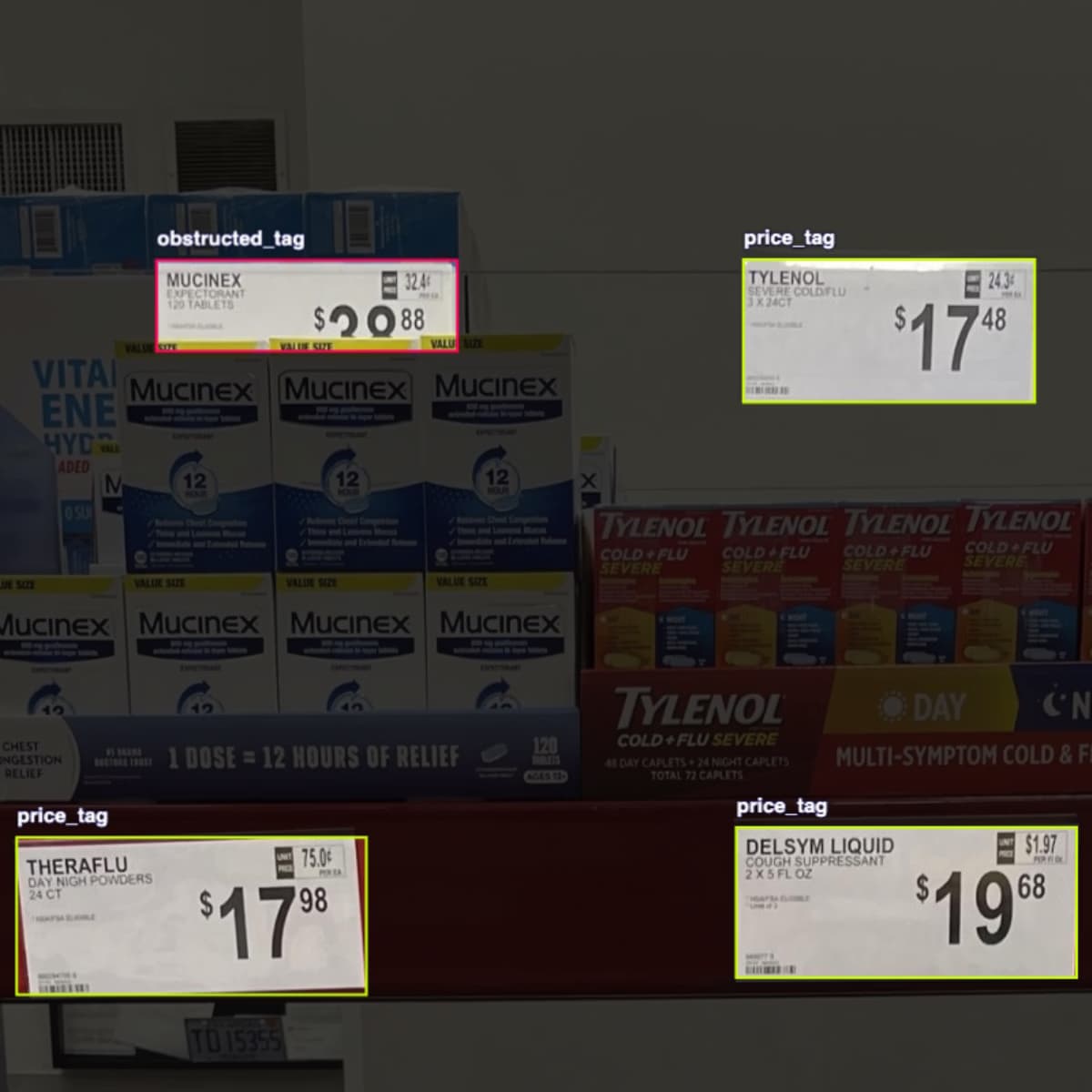
Pricing & OCR
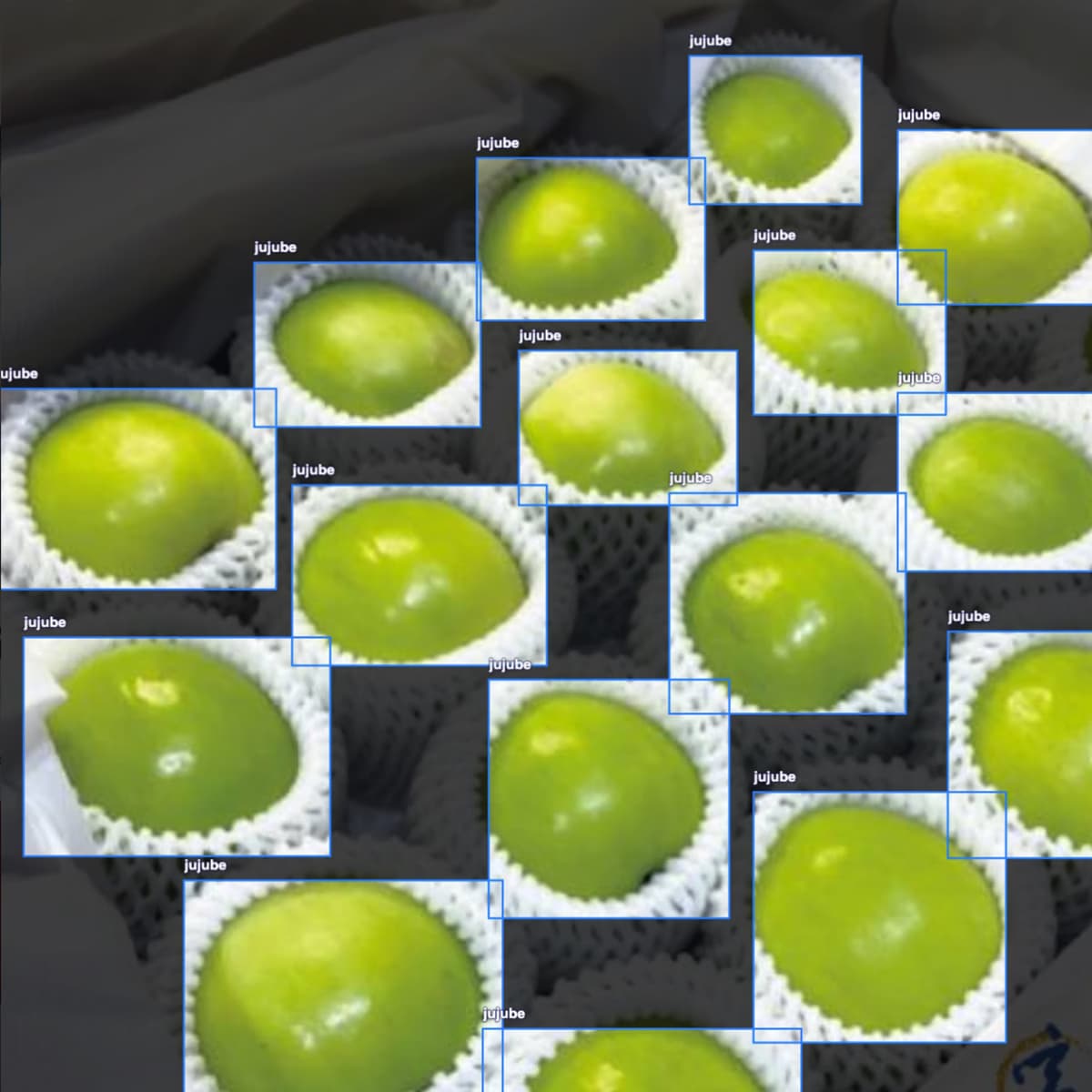
Produce
Media & Entertainment
Field and player tracking (35%) leads adoption, as the industry leverages AI to automate detailed statistics collection and provide immersive, data-rich viewing experiences.
This demonstrates that visual AI isn't just for cost-cutting; it is a primary driver of new revenue through personalized content delivery and real-time interactive media.
Top Media & Entertainment Use Cases
| Use Case | Percentage |
|---|---|
| Sports Field & Player Tracking | 35% |
| Game & UI Detection | 25% |
| Sports Action & Pose Analysis | 15% |
| Card/Table Game Analysis | 10% |
| Face/Body Features & Identity | 7% |
| Safety & Content Moderation | 5% |
| Racing & Vehicle Tracking | 3% |
Example projects
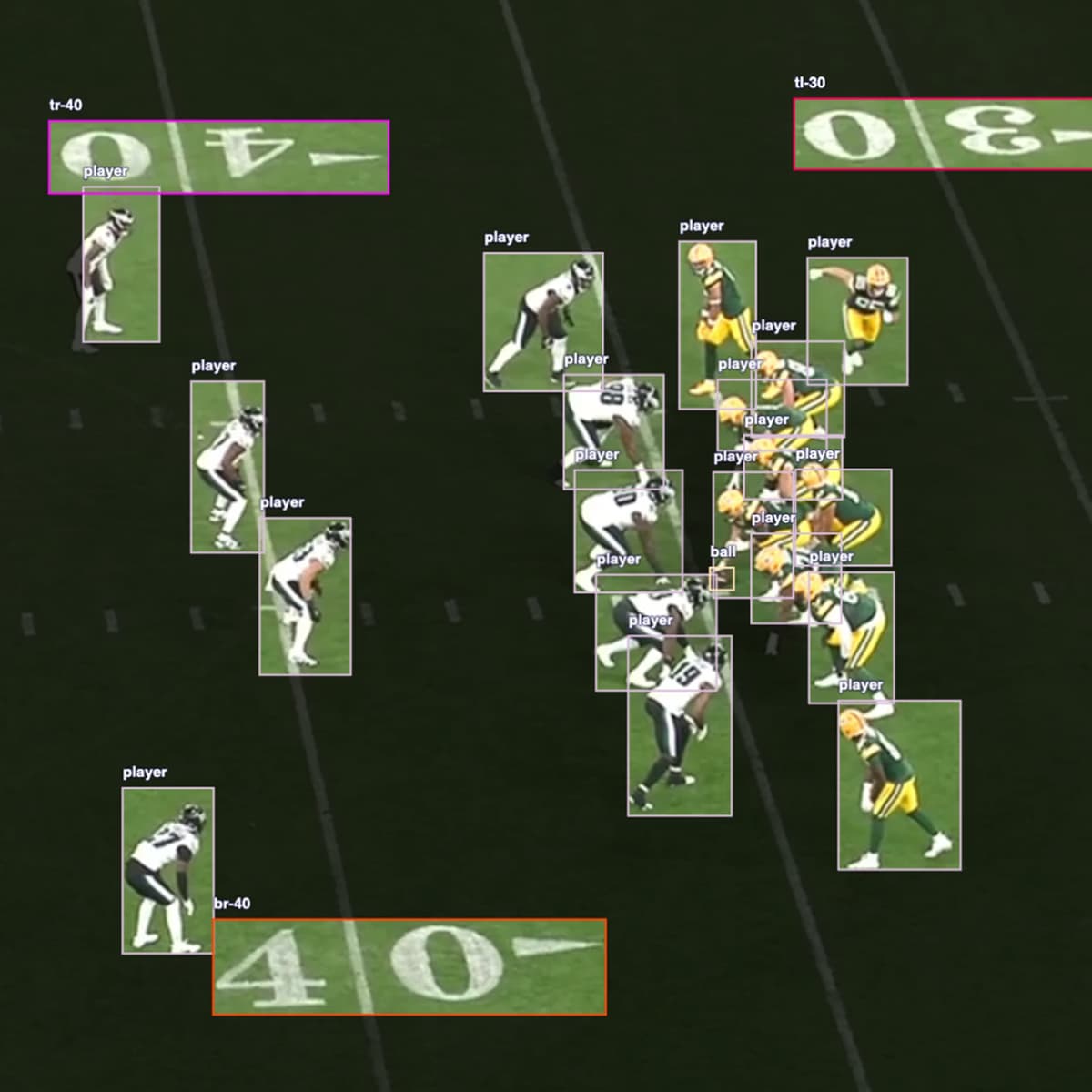
Sports Analysis
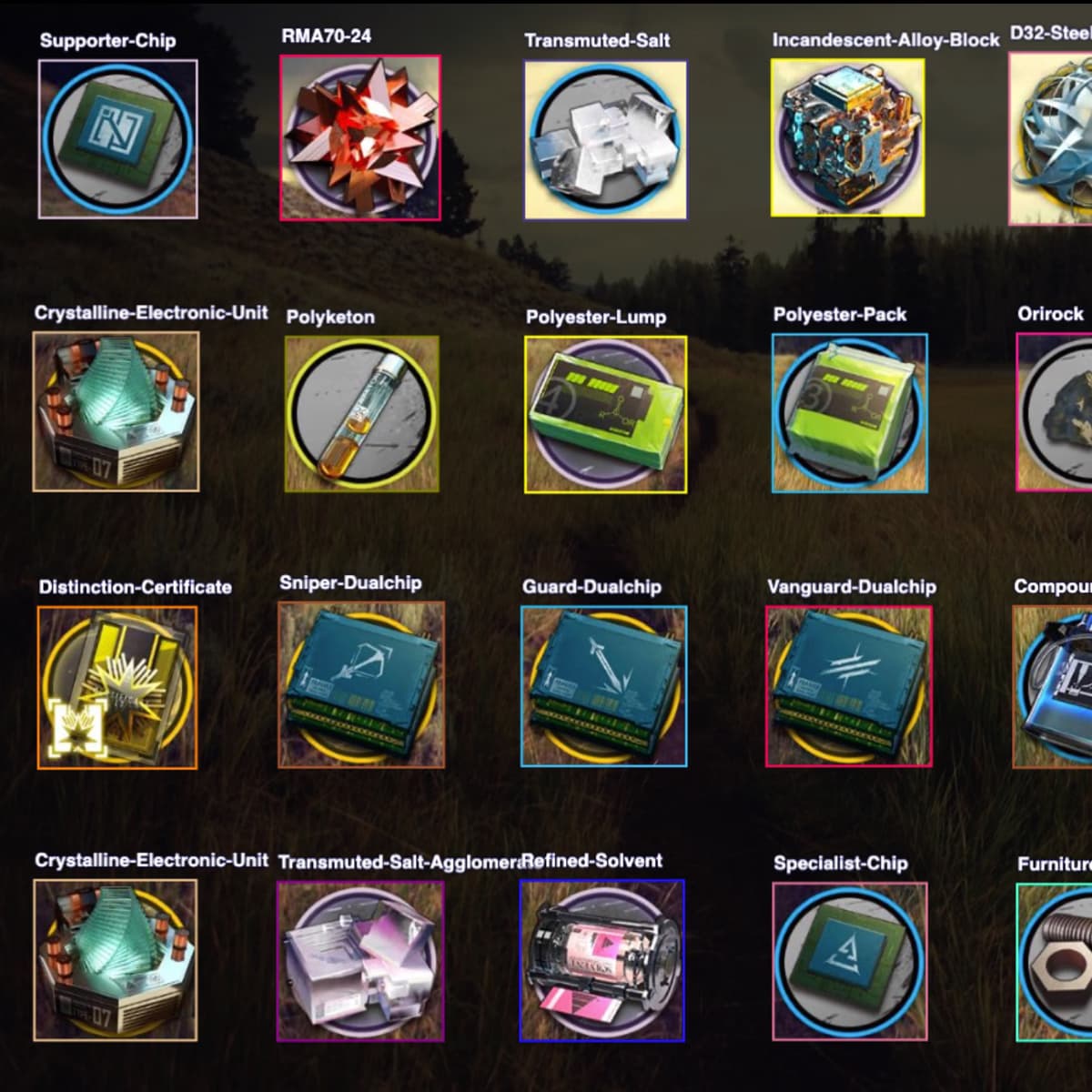
UI Detection

Exercise Tracking
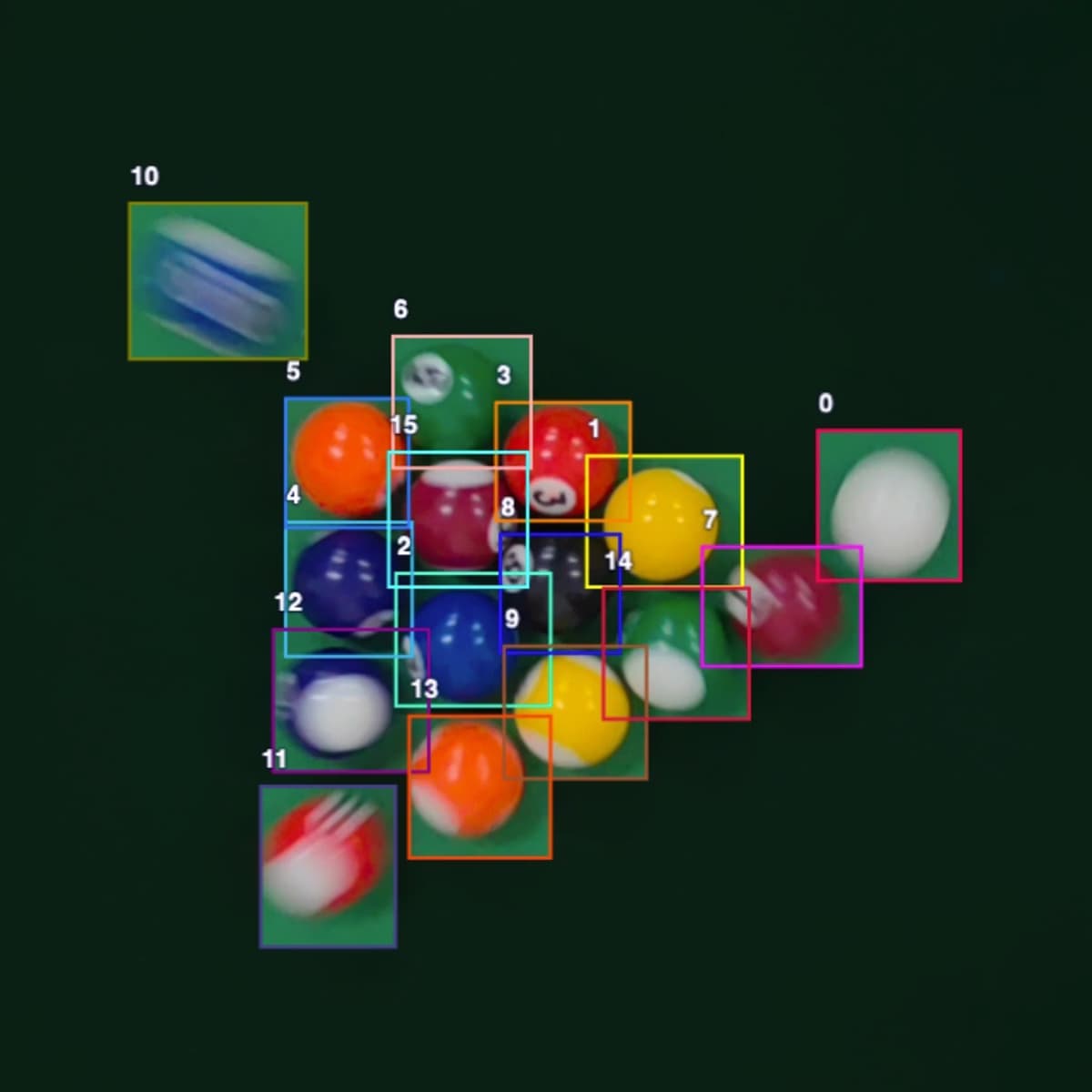
Game Analysis
Automotive
The industry demonstrates a dual focus: 55% of projects target manufacturing quality (Damage & Parts), while 20% fuel the development of Autonomous Driving & Traffic systems.
While visual AI is critical for immediate cost reduction on the factory floor, it is simultaneously serving as the primary R&D engine for the industry's autonomous future.
Top Automotive Use Cases
| Use Case | Percentage |
|---|---|
| Damage & Defects | 30% |
| Parts & Component Inspection | 25% |
| Autonomous Driving & Traffic | 20% |
| License Plate & VIN | 8% |
| Vehicle Classification | 5% |
| Interior & Dashboard | 4% |
| Road Surface & Infra | 3% |
| Specialized/Military | 3% |
| Hazardous Substance | 2% |
Example projects
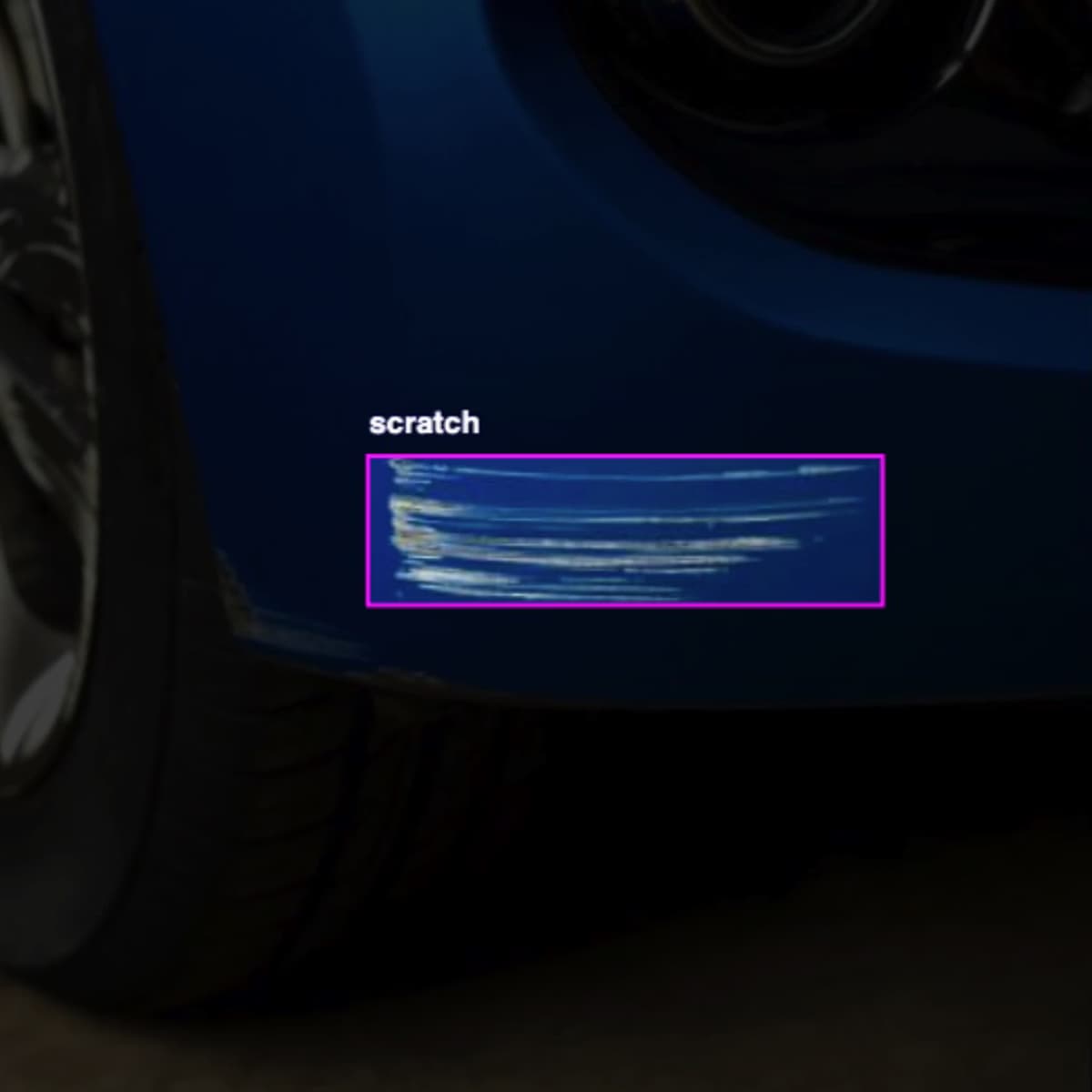
Damage Identification
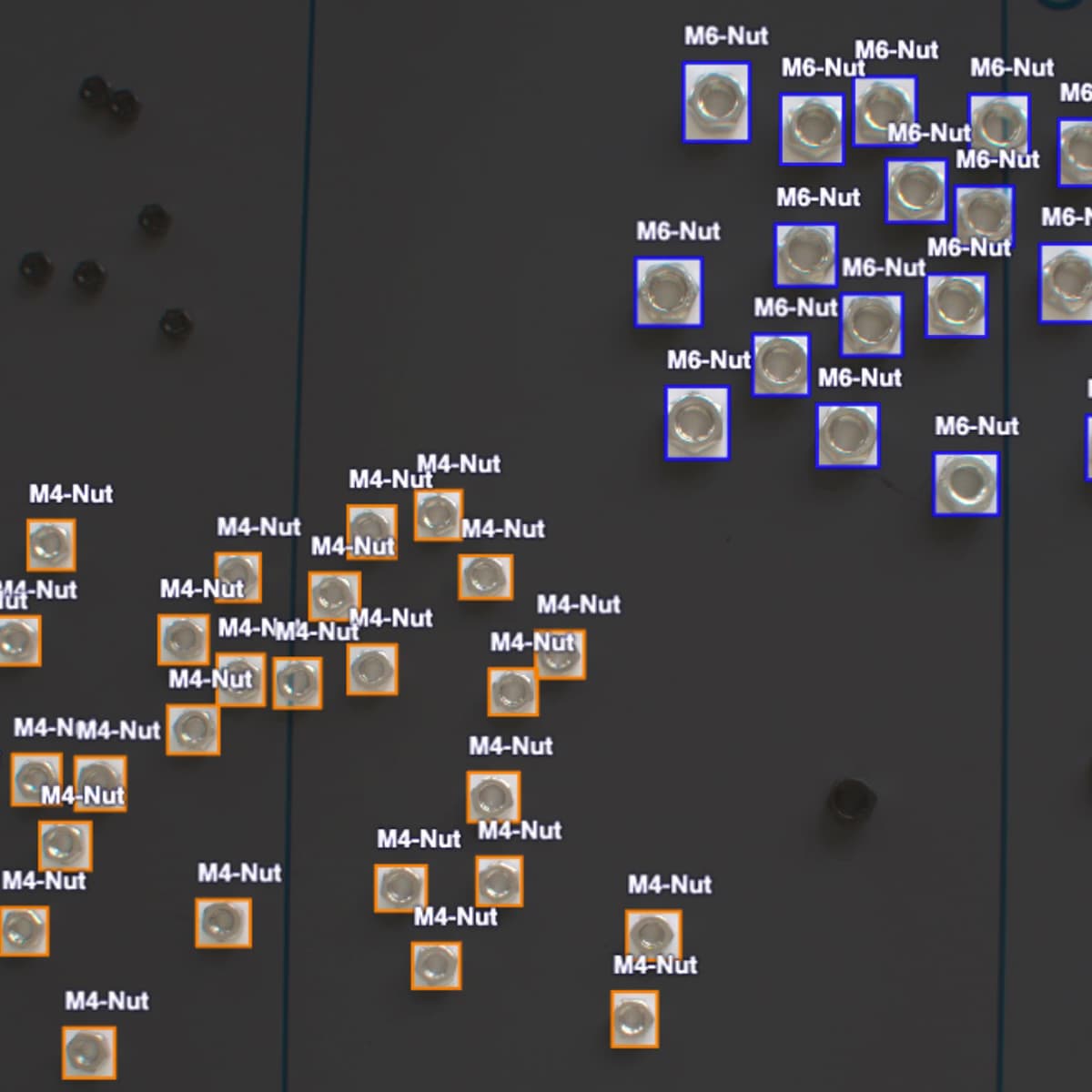
Parts Inspection
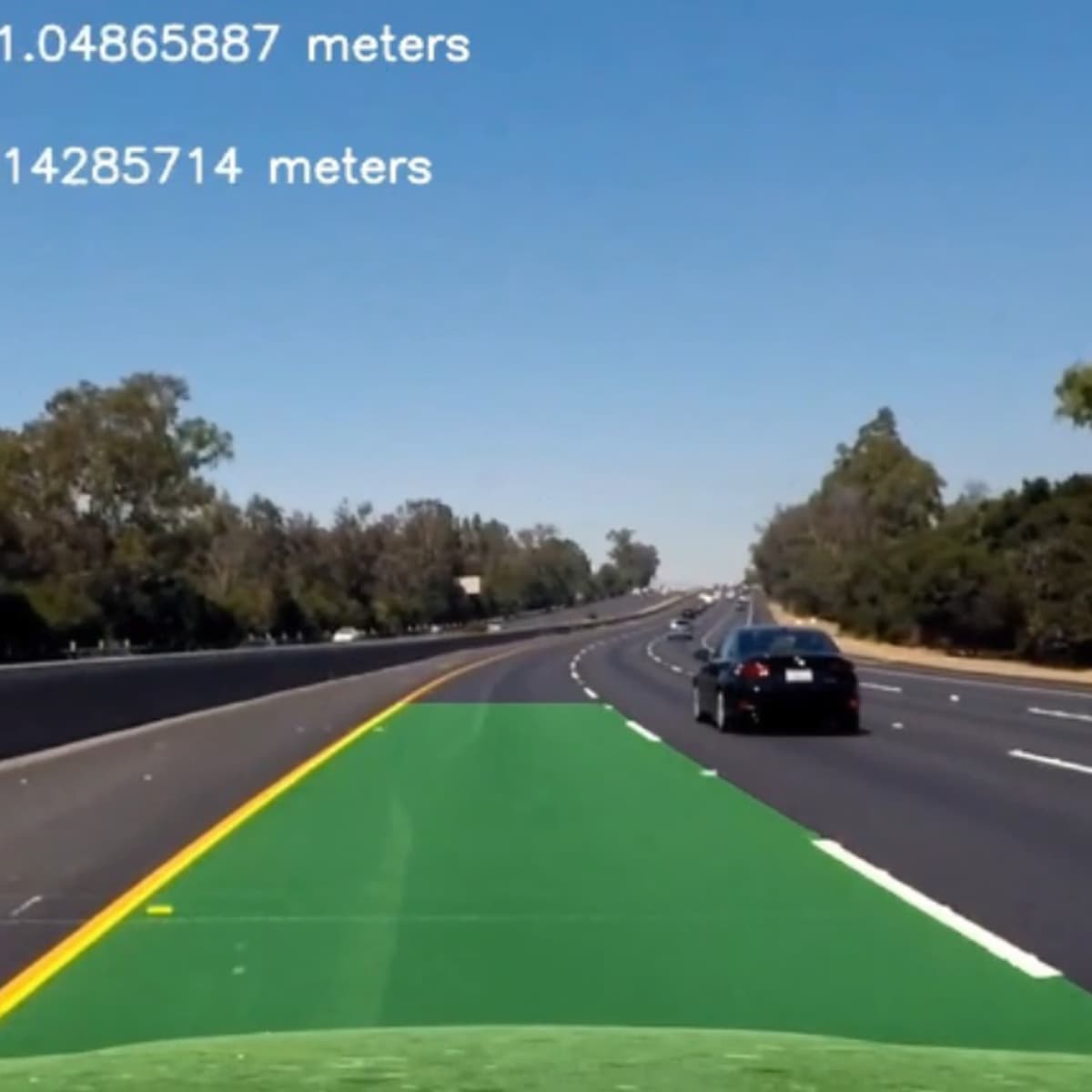
Autonomous Driving
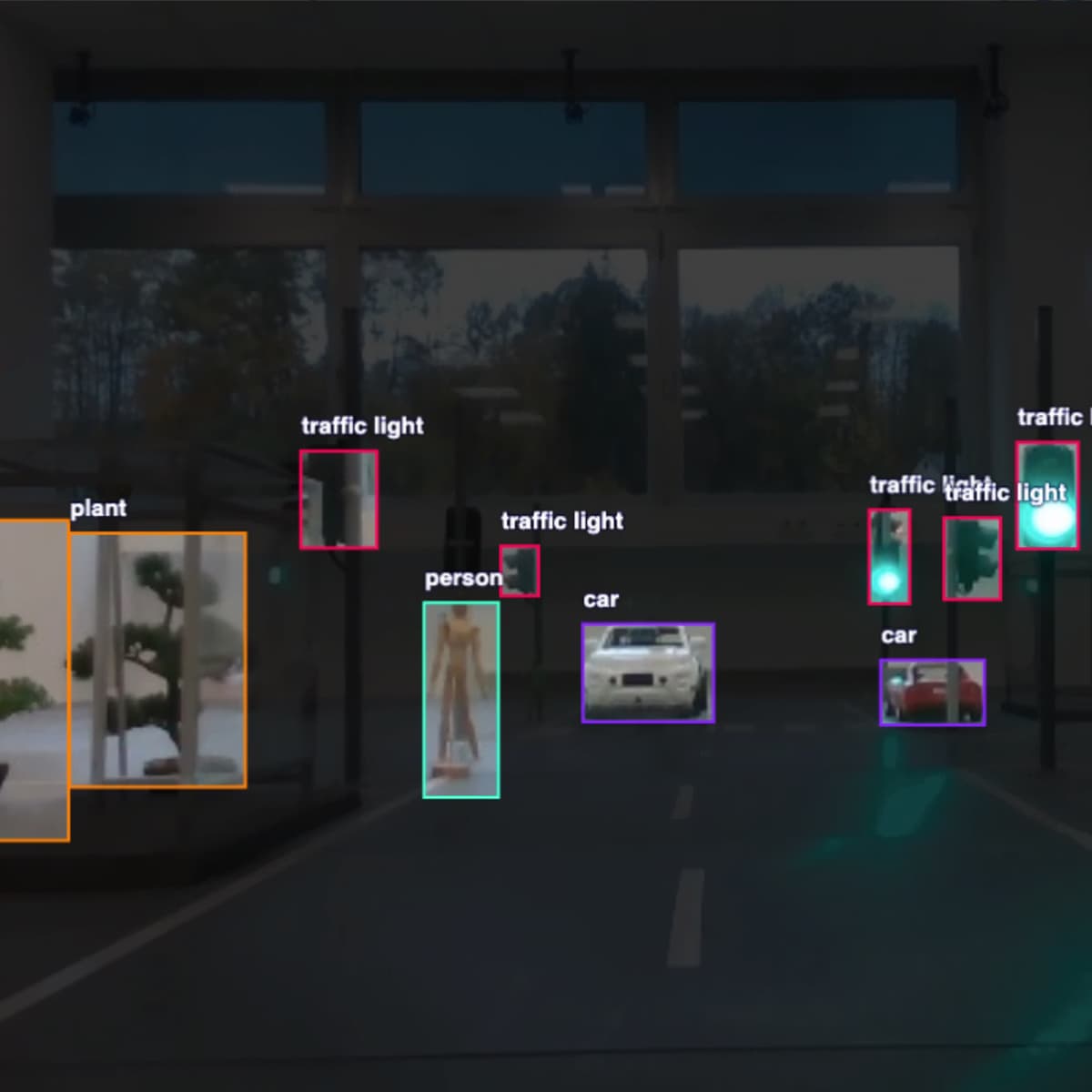
Traffic Safety
Roboflow is the leader in Vision AI
Customers across the board are solving complex challenges and driving meaningful impact.
Trusted by companies bringing vision AI to the real world






Get the benefits of vision AI today
Automate processes, increase efficiency, and reduce downtime with real-time visual analysis.
Speak with an expert
Do you need help with a project at work? We can assist with feasibility, planning, and solving your business challenge.
Book a demo
Conclusion
By integrating visual AI, organizations can move beyond simple observation to active, automated problem-solving across the physical world.
Trends we think will shape 2026
- Frontier vision models will understand common objects to make visual AI accessible to developers for a broader range of applications.
- AI-assisted coding agents will make it possible for anyone to orchestrate logic and create complex vision applications.
- Improved computing will accelerate advanced vision applications using foundation models to make real-time decisions in the physical world.

Methodology
To create The Vision AI Trends: 2026 Report, we rely on aggregated, anonymized, public data from the Roboflow community. If you've built an open source project with Roboflow, you've helped shape the direction of the future of vision AI.
To categorize data by industry, we calculated CLIP embeddings across 1B+ images in 200,000+ public projects. We use cosine similarity to create clusters of public projects mapped to coherent industry-based category names. We manually reviewed projects in category classifications for accuracy. For more details, review how we produce RF100-VL from NeurIPS 2025.